A fridge storage container more useful than it looks
A fridge storage container is one of those plain-looking items that quietly affects food waste, meal prep, and how long a refrigerator actually stays organized. If you are buying for a household kitchen, a deli-style prep area, or a product line aimed at fresh food storage, the decision is not just about shape. It is about how well the container slows air exposure, how easy it is to inspect contents, and whether the design fits real refrigerator use rather than a marketing photo.
The vacuum-style versions are especially interesting because they sit between a standard kitchen storage container and a more specialized vacuum preservation box. That makes them useful for people who want a practical freshness boost without moving to a full appliance system. The tradeoff is that buyers should look carefully at the sealing design, the container geometry, and what is actually included with the product before assuming it will behave like a heavy-duty vacuum sealed box.
What the product is designed to do
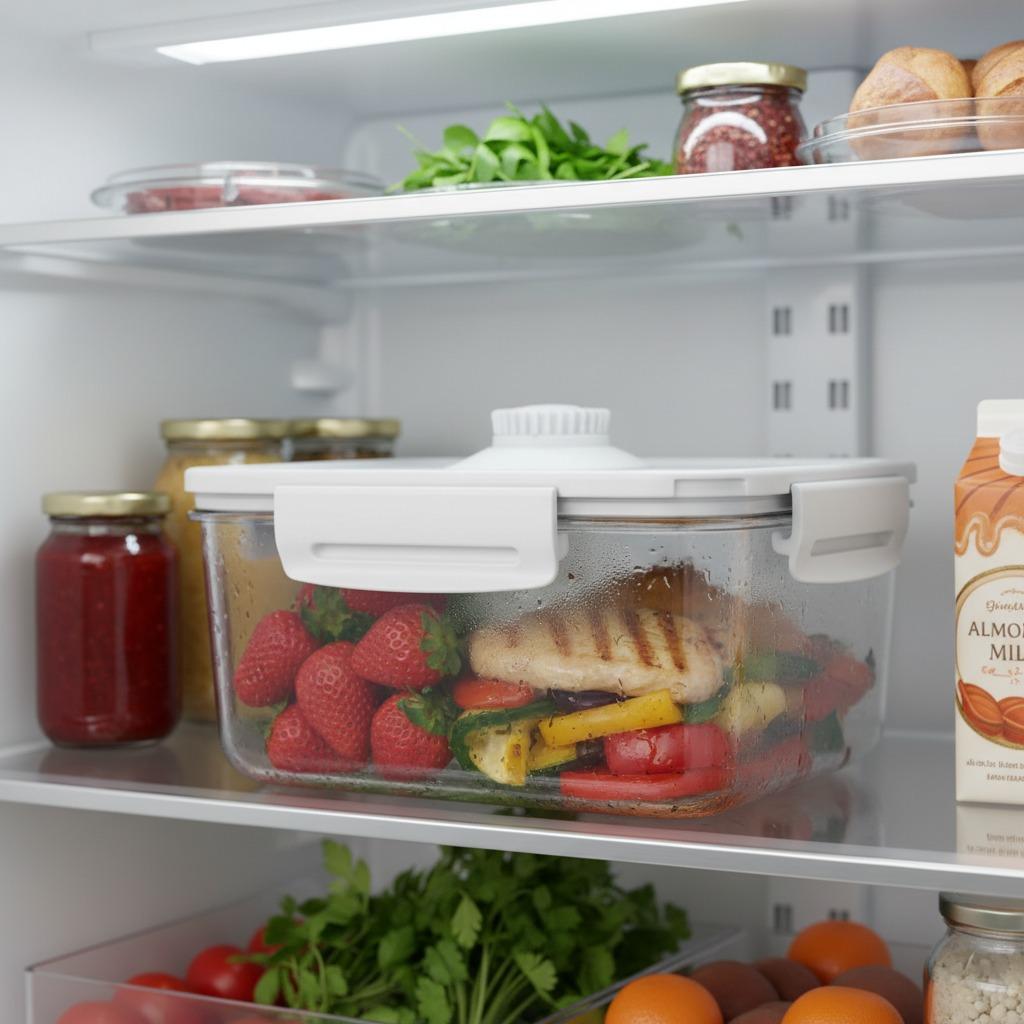
Based on the visible design, this is a rectangular, low-profile food preservation box with a clear body, a white lid, a front latch, and a top vacuum port or pump interface. The transparent chamber is useful in a very ordinary but important way: you can see strawberries, leftovers, meat portions, or prepped vegetables without opening the lid and letting in fresh air.
The stated size is about 18.6 cm by 17 cm by 10.6 cm, with a 2L capacity noted in the image information. That puts it in the compact-to-medium category for household refrigeration. It is not a bulk bin. It is the kind of vacuum storage container people use for one family meal, several servings of cut fruit, or a portioned ingredient block that would otherwise get lost in a crowded fridge.
Vacuum storage box vs. ordinary food container
A normal refrigerator box depends on a lid fit and maybe a gasket. A vacuum storage box adds one more step: removing some of the air that drives oxidation and moisture loss. That matters for produce, leftovers, and prepared ingredients that tend to degrade quickly once opened.
In practice, the difference is not always dramatic in every food category. Wet food, soft fruit, and mixed leftovers each behave differently. Still, for many buyers, the point is simple: less air around the food usually means better appearance and fewer odors in the fridge. It can also reduce the chance that one aromatic item takes over the shelf.
Design details worth paying attention to
The visible construction suggests an injection-molded plastic container body with a clear chamber and an opaque lid. That is a sensible manufacturing approach for a product like this because it keeps weight down and makes the box stackable and easy to handle.
A few details stand out:
Transparent body
You can check contents without opening the lid. That sounds minor until you are managing several meal-prep boxes in a busy kitchen.
Front latch
The latch or locking tab at the front helps give the lid a more secure feel. For buyers, this matters because a vacuum concept is only useful if the closure is repeatable and easy to operate.
Low-profile rectangular footprint
A rectangular vacuum preservation box usually packs better in a refrigerator than round containers. It wastes less shelf space, which is often the real constraint.
Where the compact electric vacuum pump fits in
The product data also points to a compact electric vacuum pump, roughly 4.5 cm in diameter and 11.5 cm tall, with a 500 mAh battery capacity and 3 W power. That kind of portable pump is the accessory buyers look for when they want a cordless vacuum solution for a vacuum storage container or related storage accessories.
For sourcing teams, the important question is compatibility. A compact pump can be useful, but only if the valve, port, and container lid are designed to work together. It is easy to overstate this part. The image suggests a separate pump accessory may be involved, but the exact connection and included package are not fully confirmed.
How to choose the right vacuum sealed box for food
Start with the food you actually store. If you mainly pack berries, greens, cut vegetables, or small portions of leftovers, a 2L fridge storage container is often more practical than a large, deep bin. If you need to organize several servings of protein or meal prep items, the shape matters as much as volume.
Look closely at these points:
The seal path and gasket area, because that is where many consumer products fail first.
The visibility of the contents, which is useful for inventory control in both homes and commercial kitchens.
The latch design, especially if the container will be opened frequently.
Whether the pump is manual or electric, and whether that pump is included or sold separately.
Do not assume dishwasher, microwave, or freezer compatibility unless it is specifically stated. That is a common buyer mistake, and with food storage products it can turn a good-looking box into a return.
Common buying mistakes
One mistake is treating every vacuum sealed box as if it will preserve food the same way. It will not. Performance depends on the seal, the food type, and how often the lid is opened.
Another is choosing by capacity alone. A tall container may hold more, but a lower, wider profile can fit refrigerator shelves better and stack more cleanly.
A third mistake is ignoring the pump system. A vacuum preservation box is only as useful as the mechanism used to remove air. If the product listing is vague about the pump, ask before ordering at scale.
Practical buyer advice
For consumers, the right fridge storage container is the one that gets used every week, not the one with the most features. For sourcing managers, the best short list will usually include a clear body, a reliable lid seal, a simple latch, and a vacuum interface that can be explained without a long manual.
If you are evaluating this style for a product range, ask for confirmation on material grade, food-contact compliance, and accessory compatibility. Those are not cosmetic details. They determine whether the box is suitable for everyday kitchen use or only a limited storage role.
What this type of product helps solve
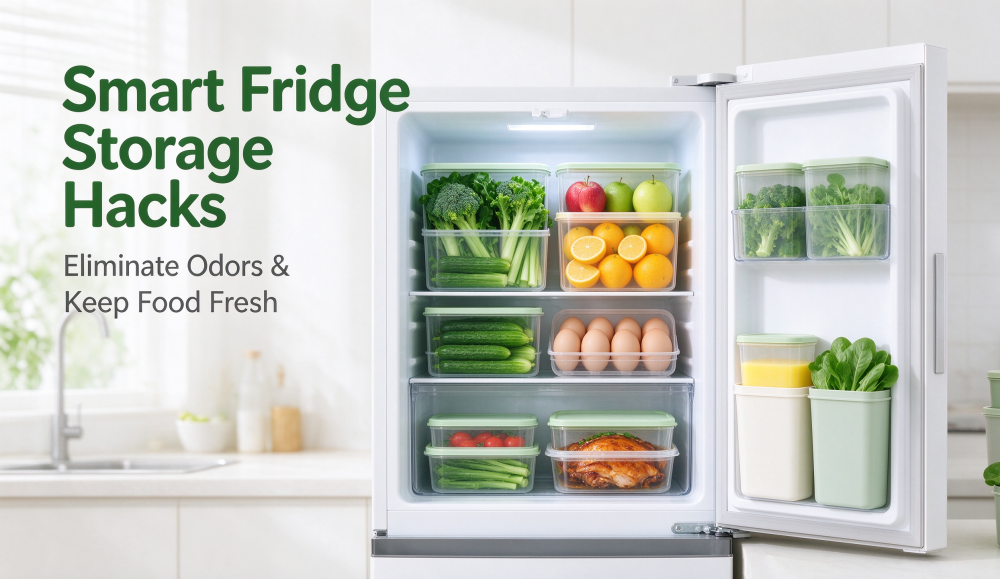
This category is about more than freshness claims. It helps users reduce waste, keep the refrigerator more orderly, and separate delicate food from odor-heavy items. That is why a vacuum storage box has traction with households, meal-prep buyers, and anyone trying to make a small fridge work harder.
If you are comparing options, the next step is straightforward: confirm the seal design, the pump setup, and the actual use case you need to cover, then match the container size to your shelf space rather than your wish list.