1. IGHE Jakarta (August 19–21, 2026)
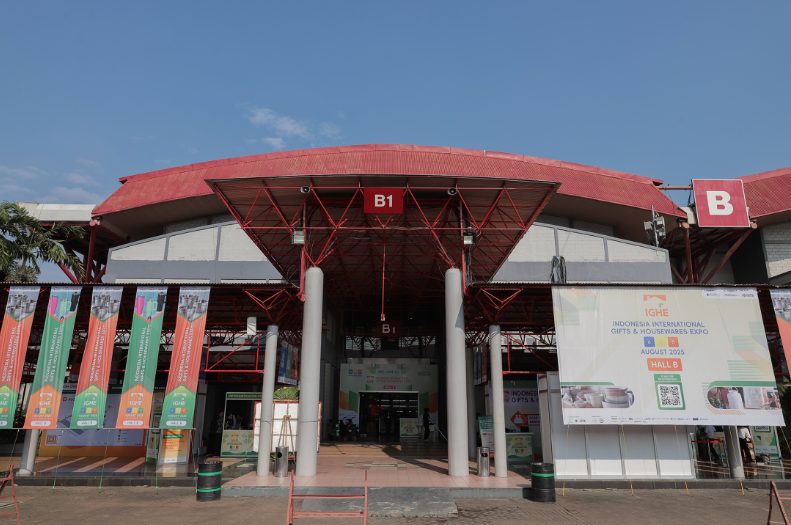
Venue: Jakarta International Expo (JIEXPO), Kemayoran
Market Profile: Indonesia, Southeast Asia’s largest economy with a population of 286 million, is a powerhouse for home goods demand. A growing middle class, stable GDP growth, and urbanization (60% of Indonesians will live in cities by 2030) fuel demand for affordable, stylish household products. Key trends include Japandi minimalism, tropical-inspired designs, and multi-functional furniture tailored for small urban apartments.
Exhibition Focus: IGHE Jakarta is Indonesia’s premier B2B home goods expo, focusing on gifts, kitchenware, hospitality products, and home decor. It attracts local distributors, retailers, and e-commerce platforms, plus buyers from Malaysia, Singapore, and Brunei. As the oldest IGHE event, it serves as a gateway to ASEAN’s largest consumer market, ideal for brands looking to establish a regional foothold.
2. IGHE Moscow (November 25–27, 2026)
Venue: Timiryazev Center Exhibition Complex
Market Profile: Russia’s home goods market is rebounding, driven by import substitution and rising consumer spending. Sanctions have shifted demand from Western brands to Asian (Chinese, Turkish, Southeast Asian) suppliers, creating opportunities for affordable, durable products. Key categories include kitchen appliances, textiles, and classic-style furniture, with growing interest in smart home devices and eco-friendly materials.
Exhibition Focus: Launched in 2025, IGHE Moscow is Russia’s first dedicated international home goods and gifts expo, co-located with a consumer electronics show. It connects global manufacturers with Russian retail chains, marketplaces, and wholesalers—critical for navigating Russia’s evolving trade landscape. The event emphasizes B2B networking, making it perfect for brands targeting Eastern Europe and Central Asia.
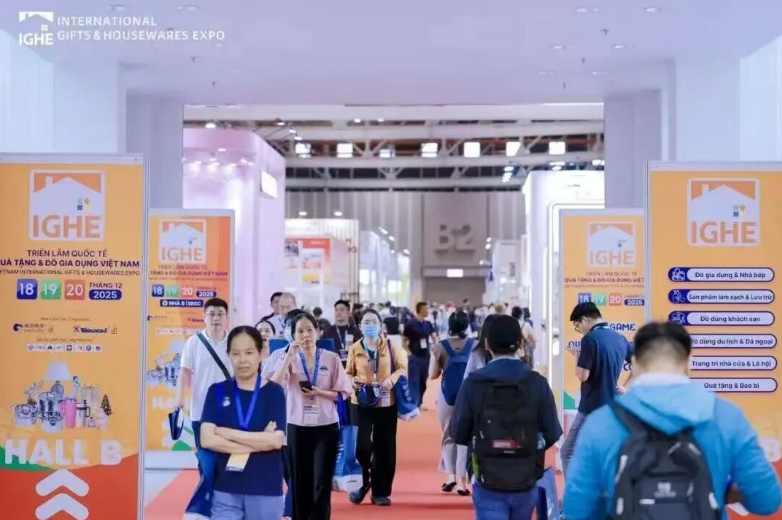
3. IGHE Ho Chi Minh (December 10–12, 2026)
Venue: Saigon Exhibition & Convention Center (SECC)
Market Profile: Vietnam is one of Southeast Asia’s fastest-growing home goods markets, with a 7% annual growth rate. A young population (median age 32), rapid urbanization in Ho Chi Minh City and Hanoi, and a booming real estate sector drive demand. Vietnamese consumers favor modern, space-saving designs, natural materials (rattan, bamboo), and mid-range pricing—creating a sweet spot for Chinese and ASEAN manufacturers.
Exhibition Focus: IGHE Ho Chi Minh complements the Jakarta edition, focusing on Vietnam’s high-growth market. It showcases home furniture, kitchenware, decor, and smart home products, attracting local retailers, interior designers, and cross-border e-commerce buyers. The event’s timing (year-end) aligns with Vietnam’s holiday shopping season, maximizing business opportunities for exhibitors.
4. India International Furniture Expo (December 11–13, 2026)
Venue: Mumbai (Bombay Exhibition Centre) / New Delhi (Yashobhoomi)
Market Profile: India’s furniture market is valued at $30 billion (2025) and projected to reach $44 billion by 2034, growing at a 6.38% CAGR. Key drivers include urbanization (34% of Indians live in cities), a booming residential real estate sector, and a young, aspirational middle class. Demand is split between traditional handcrafted furniture (wooden, carved pieces) and modern modular designs, with rising interest in sustainable and smart furniture.
Exhibition Focus: India International Furniture Expo (INDEXPLUS) is India’s leading B2B furniture and interiors trade fair. It covers residential/commercial furniture, kitchen solutions, decor, and lighting, bringing together manufacturers, retailers, architects, and designers. The expo has two editions: Mumbai (September) and New Delhi (December), catering to India’s North-South market divide. It’s a critical platform for accessing India’s vast domestic market and its growing furniture exports to the US, EU, and Middle East.
Why These Expos Matter for Global Brands
Together, these four events cover high-growth markets across ASEAN, Russia, and India—regions where demand for home goods is outpacing mature markets like Europe and North America. Each expo offers unique advantages: Jakarta for ASEAN scale, Moscow for Eurasian access, Ho Chi Minh for Vietnam’s growth, and India for its massive domestic market.
For suppliers, these shows provide direct access to local buyers, insights into regional trends, and opportunities to build long-term partnerships. As the global home goods industry shifts toward emerging markets, 2026’s IGHE series and India’s furniture expo are not just events—they’re strategic imperatives for growth.