Foldable Silicone Lunch Box: What Buyers Should Look For Before They Place an Order
If you are sourcing a foldable silicone lunch box, the first question is usually not glamorous: will it actually save space, survive daily use, and fit the way people pack food? That sounds obvious, but a surprising number of buyers end up comparing pretty colors instead of the things that matter, such as closure design, material feel, stacking behavior, and whether the container is practical for lunch counters, home kitchens, or retail shelves. A collapsible lunch box is only useful if it behaves like one. Otherwise it becomes another reusable food container that looks tidy in the sample room and turns into a minor annoyance in the real world.
Why this product category keeps showing up in sourcing lists
The appeal of a portable lunch container is straightforward. For households, it helps with meal prep and refrigerator organization. For retailers and e-commerce sellers, it sits in that friendly middle ground between kitchen storage and everyday carry goods. Buyers often want the same thing from a silicone lunch box or related storage set: compactness, repeat use, and a design that makes sense on a crowded kitchen shelf.
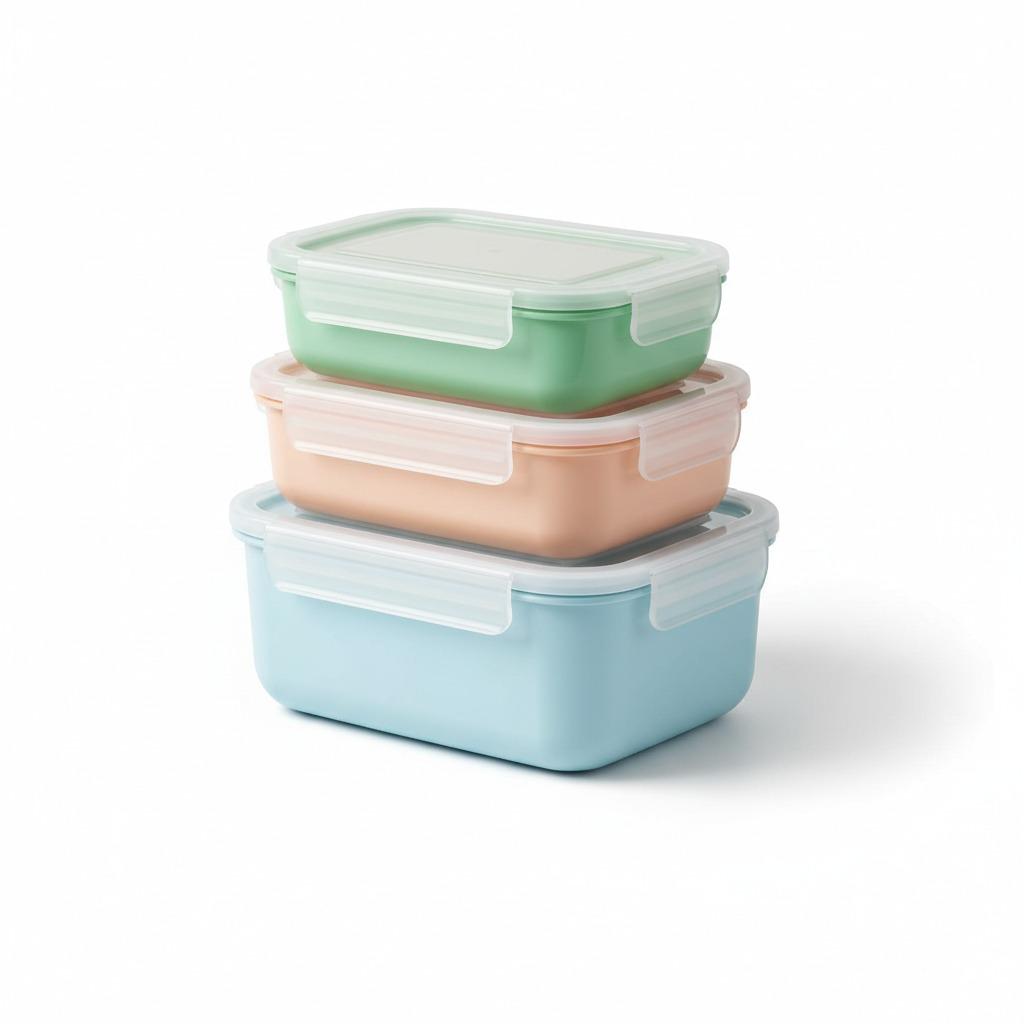
The product data here points to a stackable rectangular food storage container set rather than a true collapsing silicone cup-style lunch box. That distinction matters. A stackable set can still answer the market demand for compact meal prep containers, but it should be positioned honestly. If the item is being sold as foldable, the fold mechanism needs to be visible and real. If it is simply stackable and nestable, that is still useful—just not the same beast.
What the visible design suggests
The observed containers have opaque pastel-colored bodies and translucent snap-on lids, with a rounded rectangular profile and tapered sides. That shape is common in kitchenware because it stacks neatly and wastes less room in cabinets and refrigerators. The lids appear to have raised perimeter edges and locking tabs or clips, which suggests a snap-seal closure rather than a loose cover. For buyers, that is a practical detail, because a lid that looks secure on a product page should also feel secure in a packed lunch bag. Gravity, unlike marketing copy, has no patience.
The set appears to include four nested or stacked containers in different sizes. That makes it attractive for buyers who want one SKU to cover several uses: lunch portions, leftovers, pantry storage, dry goods, and general kitchen organization. A color-coded set also gives merchandisers a simple visual story, which helps online listings and retail packaging.
Silicone lunch box or plastic storage set?
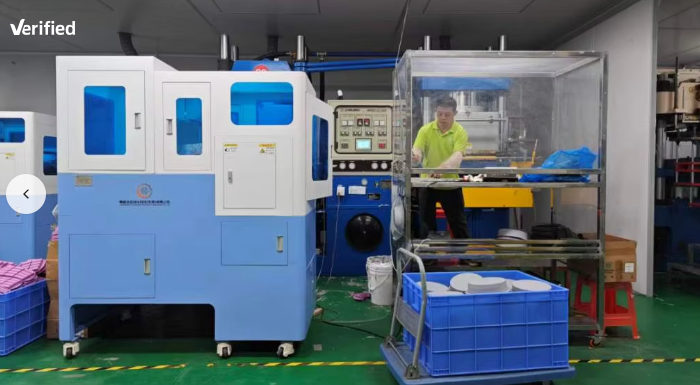
This is where sourcing teams should slow down and ask a basic question: what exactly is the construction? The company information shows Guangzhou Artrue Home Co., Ltd. has a wide manufacturing range across silicone kitchenware, plastic items, baking molds, ice trays, storage solutions, and other household goods. That breadth is useful, because it means the company is positioned for varied houseware programs and buyer channels, from wholesale silicone lunch box requests to broader storage assortments.
But the product details visible here look more like injection-molded plastic tubs with clear rigid lids than a classic soft silicone lunch box. That is not a drawback by itself. It is simply a different product type with different expectations. Silicone often wins on flexibility and collapsibility. Plastic houseware often wins on shape retention, stackability, and crisp shelf presentation. The right choice depends on where the item is sold and how it will be used.
Selection criteria that actually affect sales and complaints
1. Closure confidence
Clip-style lids can be a strong selling point, but only if they are easy enough for regular use and firm enough to stay shut. Buyers should ask for samples that are tested by hand, not just photographed on a clean table.
2. Storage efficiency
A compact rectangular footprint is usually better than a round container for refrigerator organization and packing. If the product stacks cleanly, that becomes part of the value proposition.
3. Material communication
The buyer does not need to guess whether the container is silicone, plastic, or a mixed construction. The product page, packaging, and quotation should all say the same thing. Confusing the two only creates returns and unhappy emails.
4. Assortment strategy
Sets with multiple sizes are easier to merchandise because they support several use cases at once. That can help wholesalers, private label brands, and promotional gift buyers who want a practical product without chasing a niche.
Common mistakes buyers make
The most common mistake is overpromising on features that have not been verified. Do not assume leakproof performance, microwave compatibility, freezer performance, dishwasher safety, or BPA-free status unless the supplier has stated it clearly. Another frequent issue is picking a product because it looks “premium” in photos, then discovering the lid design is awkward for everyday users. A lunch container should not require engineering qualifications to open before noon.
Another caution: if you are building a retail or e-commerce offer, make sure your product title matches the actual structure. If it is a stackable rectangular storage set, call it that. If it is a foldable silicone lunch box, it should visibly fold or collapse. Customers notice these things faster than they read the fine print.
Where this supplier fits in the buying process
Guangzhou Artrue Home Co., Ltd. appears to be a multi-category manufacturer with sizable production capacity and experience across export markets including Europe, the United States, Southeast Asia, Dubai, Japan, South Korea, and Australia. The company also serves retailers, supermarkets, e-commerce sellers, dropshippers, private label brands, hospitality businesses, promotional gift companies, distributors, and wholesalers. That makes it worth contacting if you are comparing sourcing options for kitchen storage, reusable food container programs, or a broader houseware line.
For buyers trying to decide where to buy silicone lunch box products or related storage items, the real question is not just price. It is whether the supplier can match product design to channel needs, provide consistent batches, and support packaging that sells. A good lunch container is boring in the best way: it closes, stacks, stores, and keeps doing that without drama.
Next step for sourcing teams
If you are evaluating a wholesale silicone lunch box or a stackable meal-prep container program, request samples, confirm the exact material structure, and verify the closure behavior under real handling. Then compare the set against your target channel: kitchen retail, pantry storage, lunch packing, or promotional houseware.
For product development, private label, or wholesale inquiries, Guangzhou Artrue Home Co., Ltd. can be contacted at sharon@cngoldenview.com or martin@cngoldenview.com.