Why an Ice Mold matters more than it looks
An Ice mold is one of those small kitchen tools that can quietly improve the way drinks are served, stored, and even presented. For most buyers, the choice is not really about freezing water. It is about getting consistent cube size, easy release, and a tray that fits the way the kitchen actually works. In a home bar, a café back room, or a food service prep area, that matters more than people admit at first glance.
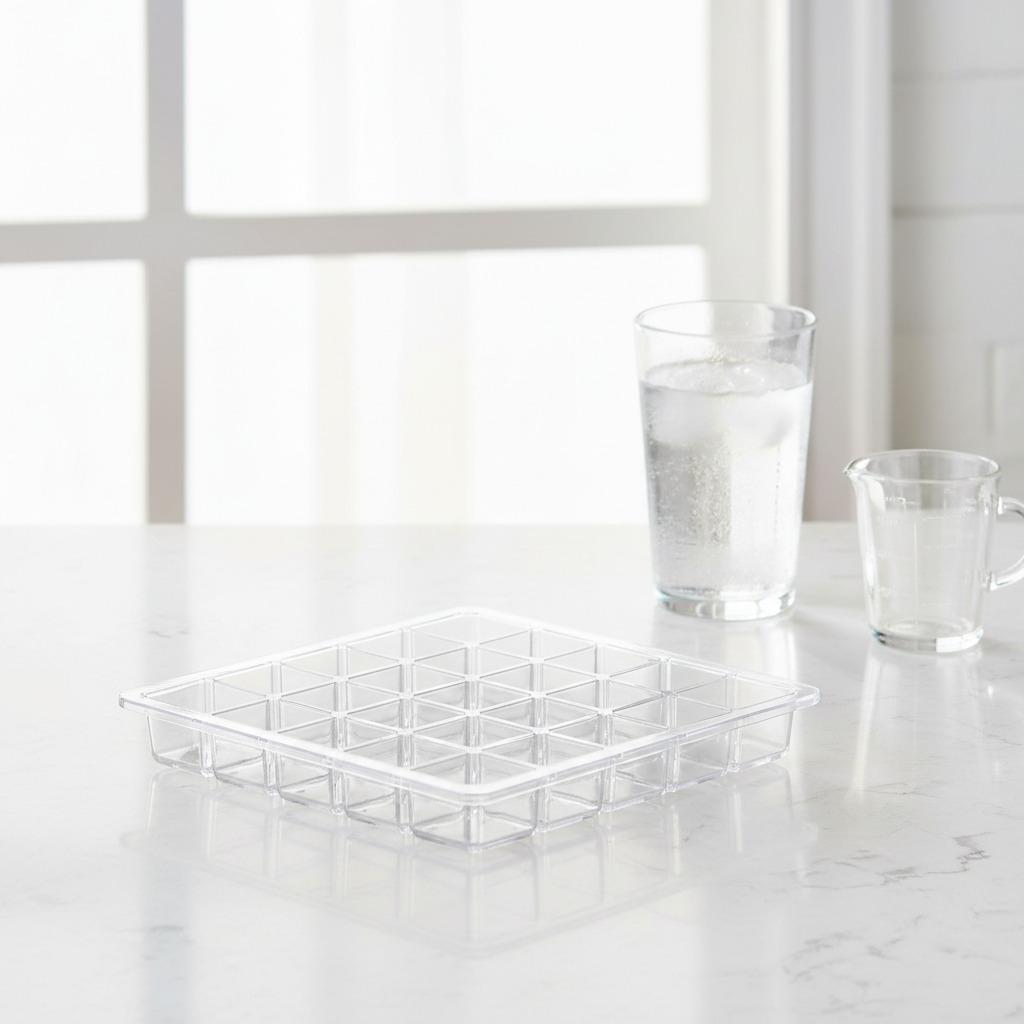
The product shown here is a clear plastic tray with multiple small square cavities. It is a straightforward design, and that simplicity is part of the appeal. A rigid, transparent tray lets users see the fill level, check the cubes, and move batches quickly. It also suggests a reusable kitchen item built for routine batch freezing rather than decorative novelty. That is useful for buyers who want function first and do not need a fancy lid system or specialty shape.
What this style of tray is good at
This kind of ice cube tray is suited to small, uniform cubes for water, iced tea, juice, cocktails, and fruit-infused drinks. Because the cavities are compact, the cubes chill a glass quickly and melt at a measured pace. That can be a real advantage in beverages where too much dilution ruins the flavor.
The same basic mold format is also used as a chocolate mold or for other bite-size foods. In practice, that opens the door to jelly pieces, candy, and portioned frozen treats. Buyers looking at a multifunctional food mold usually care less about novelty and more about repeatability. If the shape comes out clean across a full tray, the mold is doing its job.
Quick comparison: simple tray versus specialty mold
Clear rigid plastic tray
This type is easy to inspect, easy to stack in many refrigerators, and typically aimed at straightforward ice production. The rigid walls help the tray hold its form during filling and transfer. A caveat: rigid trays can be less forgiving at release than soft silicone designs, so the user may need a light twist or a short wait after freezing.
Flexible silicone mold
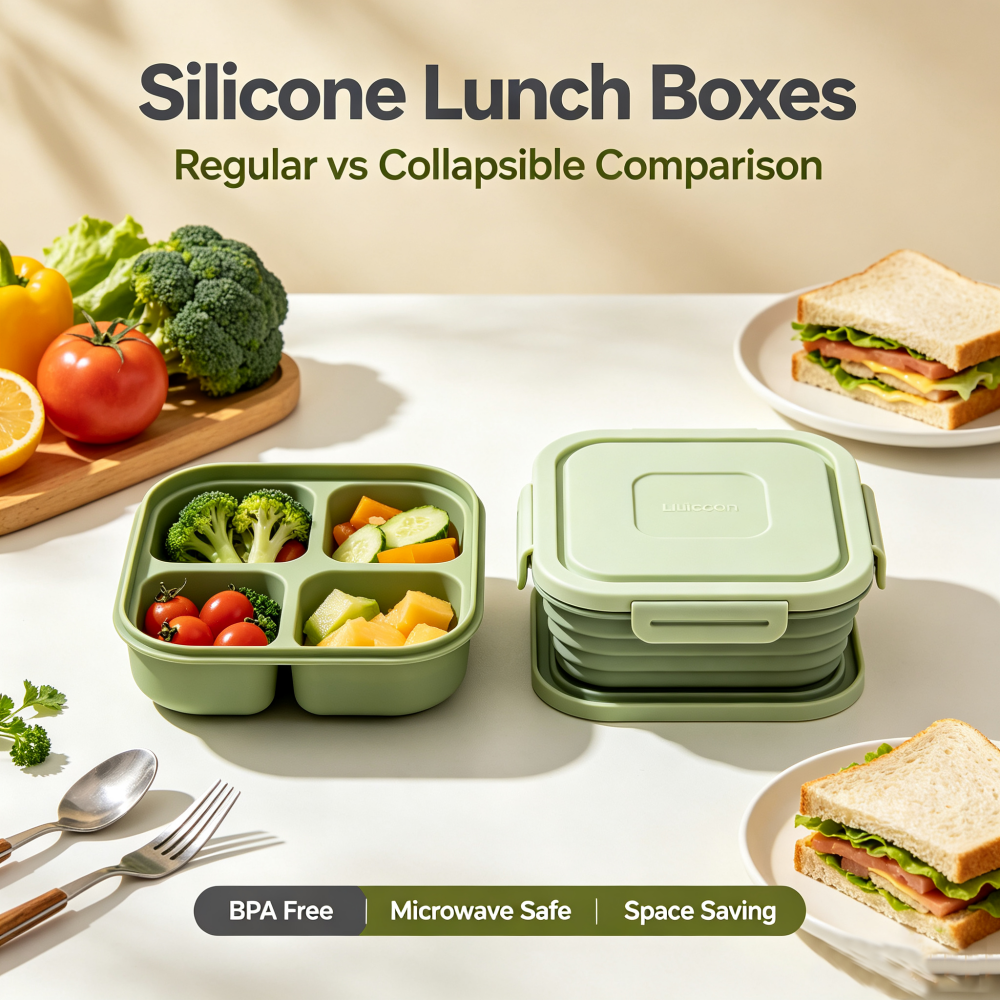
Silicone molds are often chosen for easier pop-out release and more variety in shape. But they are not always the best answer. They can feel floppy when filled, and in a busy prep environment that can be annoying. For buyers who value neat geometry and a more traditional tray feel, a clear plastic mold still has a place.
Manufacturing clues buyers should notice
The tray appears to be a single-piece, injection-molded plastic item with a glossy finish and evenly spaced cavities. That usually points to efficient mass production and consistent cavity geometry, which matters when a buyer wants uniform cubes from tray to tray. The transparent body is also practical: it makes it easier to spot trapped air, overfilling, or incomplete freezing.
What cannot be assumed from the image is just as important. Exact plastic type, food-contact compliance, freezer performance, and dishwasher compatibility are all details that should be confirmed with the supplier before purchase. Those are not minor paperwork items; they determine whether the tray is suitable for the intended use.
Selection criteria that actually matter
Buyers usually focus on four things: cavity size, release behavior, tray stiffness, and cleaning routine. Small cavities work well for drink chilling, while larger ones are better if the cubes need to last longer in a tumbler. Release behavior is where many purchases disappoint. A tray can look clean and sharp but still fight back when it is time to empty it.
Tray stiffness is another practical point. Too rigid, and removal can be awkward. Too soft, and the tray may spill before it reaches the freezer. For commercial buyers, stackability and storage footprint also matter, even if the catalog page barely mentions them.
Common mistakes when sourcing ice molds
The most common mistake is assuming all trays behave the same. They do not. Two trays with similar cavity shapes can feel completely different in use. Another frequent error is buying only by appearance and skipping questions about food-contact suitability or temperature limits. That is a problem with any kitchen mold, whether it is sold as an ice cube tray or a chocolate mold.
Buyers also sometimes overlook how the product will be filled. If the tray is shallow and compact, it may suit clean countertop filling. If the user needs to move a full tray across a crowded prep area, a lid or stronger frame may be necessary, even if the photo does not show one.
Practical buyer advice
If the goal is everyday beverage service, choose a mold with uniform cavities and a shape that drops cleanly into standard glasses. If the goal is multipurpose food production, ask whether the same tray can handle chilled desserts or confectionery work without warping or sticking. That kind of flexibility can simplify procurement, but only if the supplier can back it up.
For sourcing teams, the safest approach is to request material details, cleaning instructions, and any available food-contact documentation before placing a larger order. It is a small step, but it avoids the kind of surprise that shows up only after the first production run.
A sensible next step
If you are comparing ice mold options for kitchen use or product sourcing, start with the basics: cavity size, release behavior, material confirmation, and cleaning requirements. Those four points will tell you more than a glossy product photo ever will. If you need a tray for repeatable drink service or small-batch food shaping, this style is worth a close look.