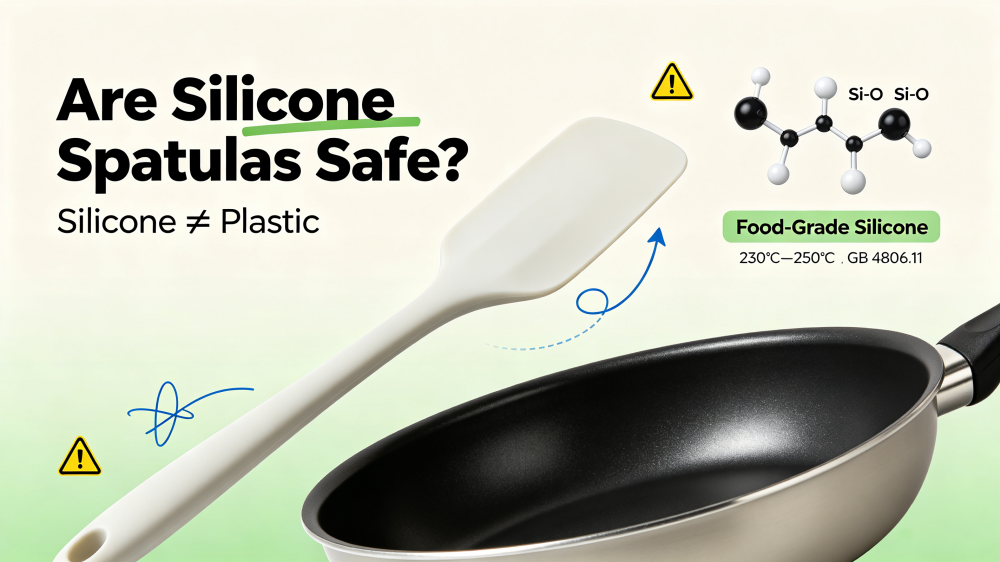
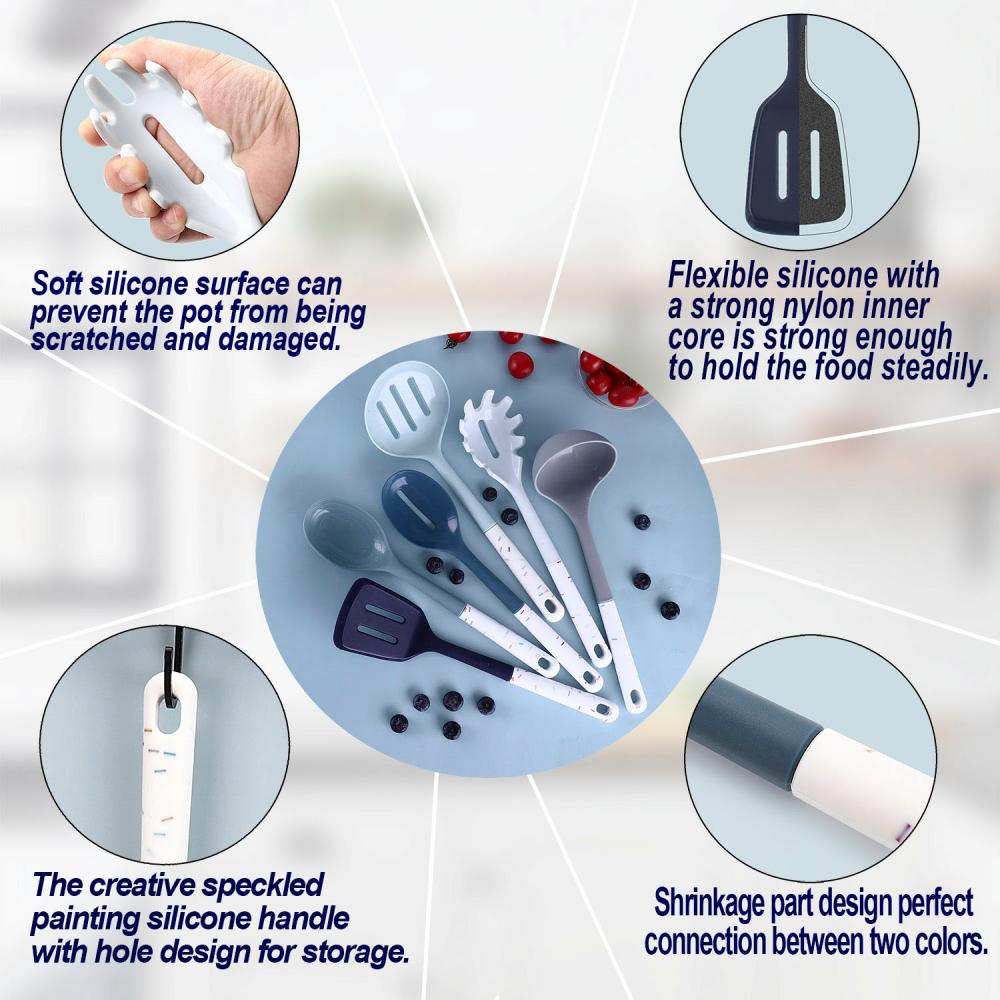
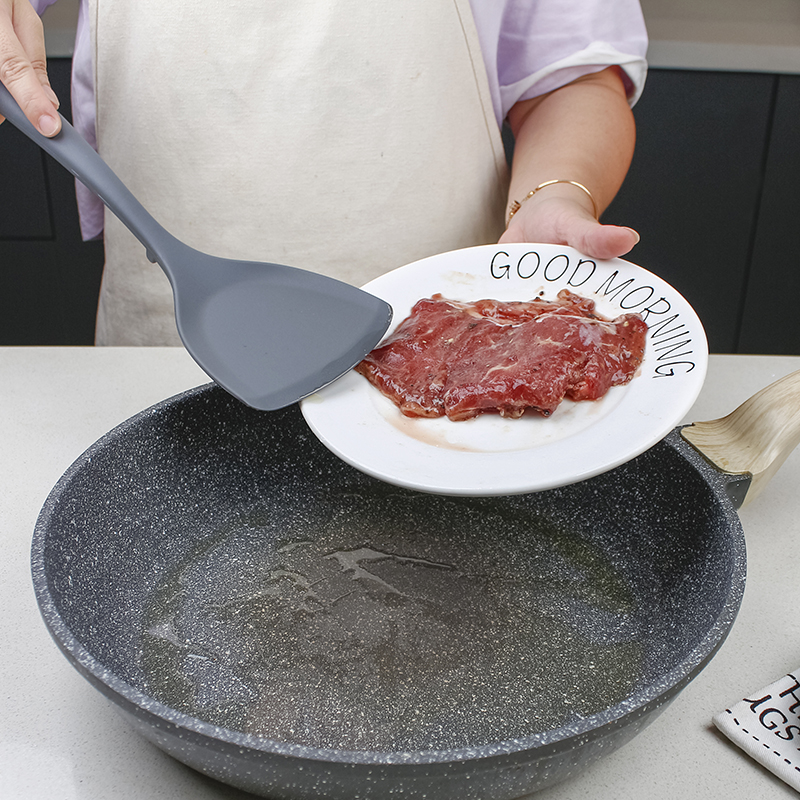
Over the past 15 years, silicone kitchen‑ware has evolved from niche premium commodities to daily‑use necessities inside ordinary Chinese households. Among all silicone cooking gadgets, the silicone spatula ranks as the most popular cooking helper. Premium‑grade products are manufactured with pure liquid food‑safe silicone, withstanding stable working temperature up to 230 °C. It features soft, scratch‑resistant texture that protects non‑stick frying pans, excellent heat‑resistance and easy‑to‑clean surfaces, beating traditional wooden, bamboo, metal and nylon cooking shovels in multiple practical indicators.
.
.
Nevertheless, countless consumers encounter disappointing silicone‑spatula failures during daily cooking. Some spatulas release sharp chemical odors after heating; some turn sticky, crack and develop notches on the thin working tip; counterfeit goods deform quickly and leach risky contaminants into hot edible oil. The widespread quality‑related accidents reflect deep‑rooted strengths and hidden troubles within China’s huge silicone‑spatula manufacturing industry. This paper outlines the complete picture of the domestic silicone‑spatula supply‑chain, analyzes core reasons for product failure, cites official consumer‑test evidence, explains national food‑contact safety specifications and delivers actionable purchasing and maintenance advice for home cooks.
General Profile of China’s Silicone Spatula Industry
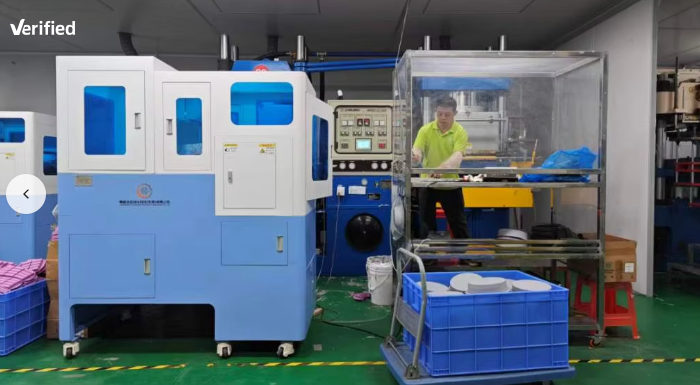
China occupies the dominant global position in silicone kitchen‑goods manufacturing. Coastal industrial zones in Guangdong, Zhejiang and Fujian gather thousands of silicone processing factories, ranging from large formal brand‑owned workshops to tiny unregulated family‑run processing plants. The whole industrial chain covers raw‑material silicone‑gel production, mold opening, vulcanization shaping, surface finishing, accessory assembly and domestic‑and‑overseas distribution.
Market demand keeps surging for several driving reasons. First, non‑stick coated cookware has become mainstream family kitchen equipment. Hard metal spatulas scratch fragile non‑stick coatings, creating steady market demand for soft silicone utensils. Second, modern‑day buyers prioritize food‑contact safety, as platinum‑cured food‑grade liquid silicone contains no toxic additives when produced following standardized procedures. Third, diversified consumer preferences fuel product iterations: manufacturers launch integrated‑body silicone shovels, detachable wooden‑handle spatulas, heat‑resistant hollow‑handle designs and multi‑color home‑kitchen matching styles.
The market presents an obvious two‑tiered structure. Well‑known home‑goods brands such as Supor, Shuangqiang and Konbach adopt imported or domestic high‑purity liquid silicone, strictly run GB 4806.11‑2016 safety‑detection before release and target mid‑to‑high‑end offline supermarkets and official online flagship stores. Low‑cost‑oriented small factories compete in budget‑friendly e‑commerce markets and street‑side grocery shops. To cut manufacturing expenditure, these unregulated producers pick recycled waste silicone, industrial‑grade rubber and nylon substrates sprayed with thin silicone paint, which becomes the major origin of low‑quality defective spatulas.
Export‑oriented trade also constitutes a vital pillar for the silicone‑spatula sector. Chinese silicone cooking tools are exported to Southeast Asia, Europe and North America, and overseas food‑material safety standards force large‑scale exporters to upgrade raw‑material quality. Even so, many low‑grade counterfeit silicone spatulas flow into both domestic and foreign markets, bringing pervasive hidden‑safety hazards.
Primary Reasons Why Silicone Spatulas “Fall Short” and Fail Consumers
Genuine food‑safe liquid silicone can resist sustained heat up to 230 °C and perfectly cope with regular stir‑frying tasks. Almost all quality‑related incidents stem from raw‑material fraud, cutting‑corner production practices and improper household‑cooking operation. Four major failure triggers are sorted out below.
Unscrupulous Manufacturers Apply Industrial‑Grade Silicone and Recycled Waste Materials
The biggest industry pain point is raw‑material substitution. Formal qualified spatulas are made of platinum‑vulcanized liquid silicone. Rogue factories substitute cheap industrial silicone, recycled silicone scrap blended with plasticizers, curing residues and unknown impurities. These hazardous additives remain sealed inside the finished spatula and begin migrating once exposed to high‑temperature cooking oil. Pungent chemical smells emerge the first time users heat the shovel, and toxic substances dissolve into meals.
A widespread low‑cost counterfeit trick is nylon‑base spatulas coated with thin silicone paint. The thin silicone surface easily peels off under high‑heat conditions. Such counterfeit goods are frequently marked with a misleading 180 °C temperature‑resistance parameter, far lower than the 230 °C threshold of authentic liquid silicone. Users seldom distinguish coated nylon shovels from one‑piece silicone products at first glance.
Official Comparative‑Test Reveals Serious Volatile Organic Compound Over‑Standard Issues
In 2022, Jiangxi Consumer Rights and Interests Protection Committee carried out a well‑known comparative experiment, sampling 20 mainstream silicone‑spatula products with prices spanning 9.9‑69 Yuan, covering numerous well‑known domestic kitchen‑ware brands. Although every sample satisfied the baseline mandatory national safety standard, all samples failed the stricter voluntary‑safety benchmarks. Several branded silicone shovels recorded volatile‑organic‑compound (VOC) readings over three‑times higher than the ideal safety limit.
Volatile organic compounds come from leftover vulcanizing agents, silicone solvent residues and plasticizer contaminants. When the spatula touches boiling oil, these volatile substances evaporate and mix with food vapors, creating long‑term health risks after repeated intake. This authoritative inspection result shocked consumers and exposed the pervasive quality gap between minimum legal compliance and premium‑safe silicone kitchen‑ware within the industry.
Physical Material Decomposition and Notch Wear Caused by Excessive High‑Temperature Cooking
Even fully‑certified food‑grade silicone possesses temperature‑use ceilings. Its safe‑working peak sits at 230 °C. Intense deep‑frying and fierce high‑heat stir‑frying can push wok‑oil temperatures past 200 °C, sometimes hitting 250 °C or higher.
The thinnest front‑end tip bears the maximum friction and thermal shock. Long‑term exposure to extreme heat breaks down silicone molecular chains. Fine notches, cracks and rough edges gradually appear on the shovel head. Micro silicone fragments chip away and drop into stir‑fried dishes. Silicone‑material ageing is irreversible once notches form, and damaged spatulas ought to be discarded straight‑away. Silicone utensils are not built for sustained extreme‑heat deep‑frying work. Wooden cooking shovels serve as better substitutes under fierce‑fire cooking scenarios.
Inconsistent Production Standard Execution Across Factories
China’s mandatory national specification GB 4806.11‑2016 governs all silicone rubber products that make direct contact with food, and the updated dedicated silicone‑material standard GB 4806.16‑2025 has been officially released later on, tightening VOC‑detection requirements for silicone cookware. Every legal silicone spatula is required to print the standard code alongside “Food‑contact Material” labels on outer packaging.
Small‑scale unregistered workshops skip finished‑product inspection entirely. A large share of budget‑priced goods carry no standard marks, production addresses or safety test reports. Uneven enforcement of food‑contact‑material regulations creates loopholes for defective silicone spatulas to flood the consumer marketplace.
Reliable Three‑way Identification Method for Food‑Grade Qualified Silicone Spatulas
Industry specialists and consumer committees summarize the straightforward “smell‑stretch‑burn” household inspection technique for shoppers to filter out defective silicone‑ware.
First, conduct an odor test. Authentic platinum‑cured food‑safe liquid silicone delivers zero sharp, chemical‑like odor right after unpacking. Any strong pungent, sweet plastic scent points to industrial silicone, recycled raw‑material or excessive vulcanizer residue.
Second, perform the stretch test. Pull the thin shovel‑head hard. Premium silicone will not turn white or crack under stretching tension. Inferior recycled silicone whitens and develops tiny surface fissures the moment users pull it.
Third, the burning test works as the final screening method. When burnt with an open flame, pure food‑grade silicone generates white smoke and leaves white powdered ash. Counterfeit silicone‑coated nylon and industrial rubber produce black smoke and sticky black molten waste.
Besides sensory testing, buyers need to examine product labelling. Trustworthy spatula packages must mark the GB 4806.11‑2016 national standard identifier and the “food‑contact‑use” label. Before purchasing, consumers are also advised to search public‑record consumer‑committee exposure lists and online quality‑incident reports and steer clear of brands with repeated VOC‑exceeding‑standard scandals.
Scientific Usage Guidelines for Extending Silicone Spatula Lifespan
Even top‑tier silicone cookware demands proper handling. Home cooks should reserve silicone spatulas for conventional‑temperature stir‑frying, non‑stick‑pan flipping and soft‑food scraping. Whenever carrying‑out high‑temperature deep‑frying above 200 °C, switch over to natural wooden spatulas.
Once the thin working tip sustains nicks, cracks and jagged edges, retire the worn‑out silicone shovel to avoid silicone debris mixing with cooked meals. New‑bought silicone spatulas should be ventilated for one‑to‑two days and boiled in hot water for ten minutes to release leftover volatile residues before the first cooking use.
Conclusion
China’s silicone‑spatula manufacturing sector enjoys mature industrial chains, massive production capacity and fast‑growing domestic and overseas market demand. Yet the industry suffers from stark quality polarization. High‑quality liquid food‑grade silicone reaches 230‑degree heat‑resistance and satisfies modern non‑stick‑pan cooking requirements. Low‑grade counterfeit products adopting industrial recycled silicone and nylon silicone‑sprayed substrates trigger chemical‑substance overflow risks. The 2022 Jiangxi consumer‑council sampling test uncovered widespread volatile‑organic‑compound over‑standard problems even among well‑known‑brand spatulas.
Consumers can adopt the smell‑pull‑burn three‑step screening routine and verify the GB 4806.11‑2016 food‑contact safety mark to select qualified silicone kitchen‑ware. Meanwhile, households ought to acknowledge silicone‑material temperature‑limits and replace notched, ageing spatulas timely. As national food‑contact silicone‑rubber standard GB 4806.16‑2025 tightens volatile‑substance inspection criteria, the whole silicone‑cookware industry will push low‑end manufacturers to upgrade raw‑material quality and deliver safer silicone spatula products for global kitchen‑ware consumers.