Silicone Baking Tool Overview: How a Shallow Round Pan Solves Everyday Baking Problems
A silicone baking tool like this round shallow mold is designed for a simple job: help bakers release delicate cakes, sponge layers, or dessert bases without the sticking and breakage that can happen with rigid pans. For buyers comparing bakeware options, the main advantage is handling. A flexible silicone body can make unmolding easier, while the integrated side handles give you a more confident grip when moving the pan from counter to oven rack or serving area.
Compared with a traditional metal cake pan, this style focuses less on browning performance and more on release, portability, and ease of use. That makes it practical for home baking, pastry prep, and dessert presentation where a clean shape matters as much as the bake itself.
Product Overview
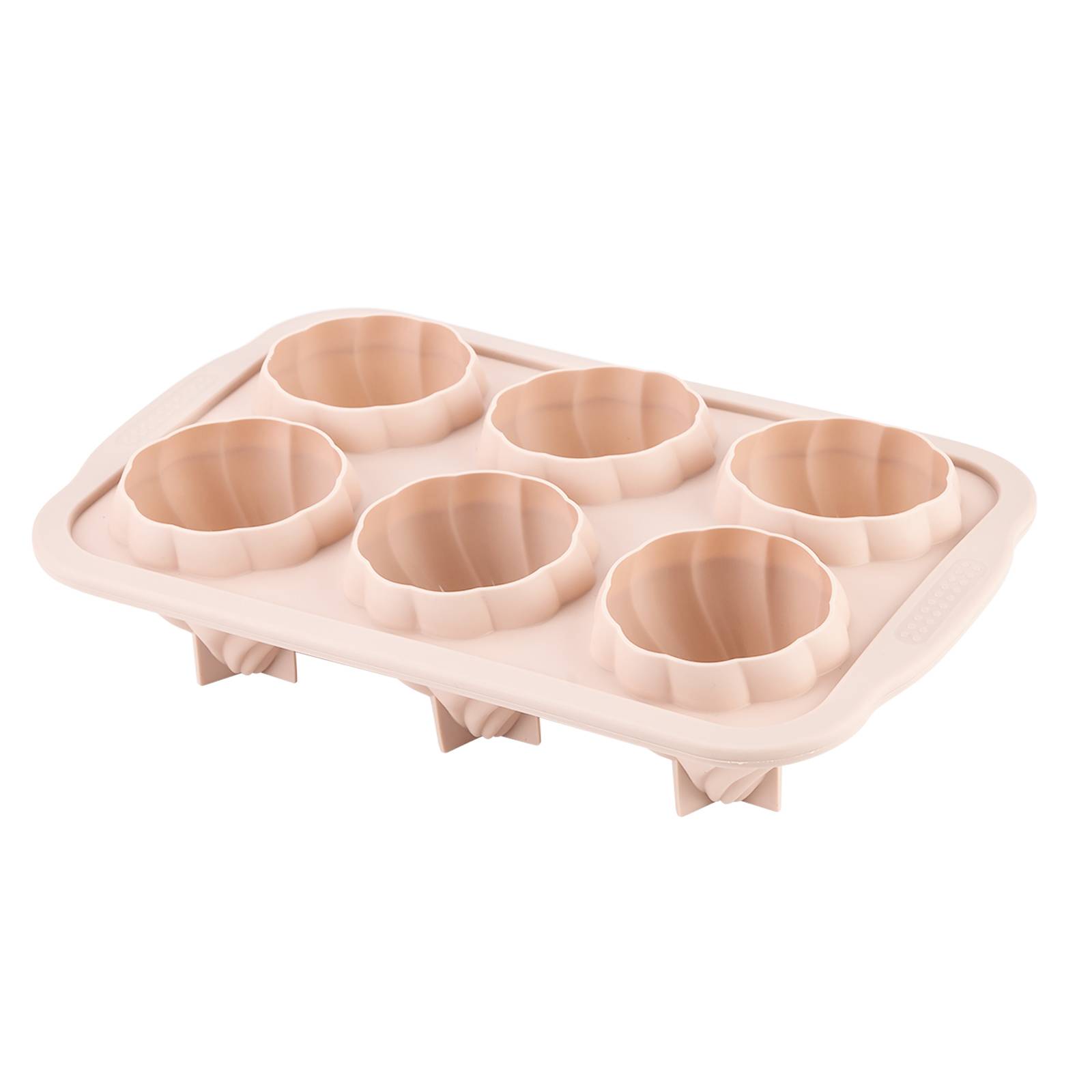
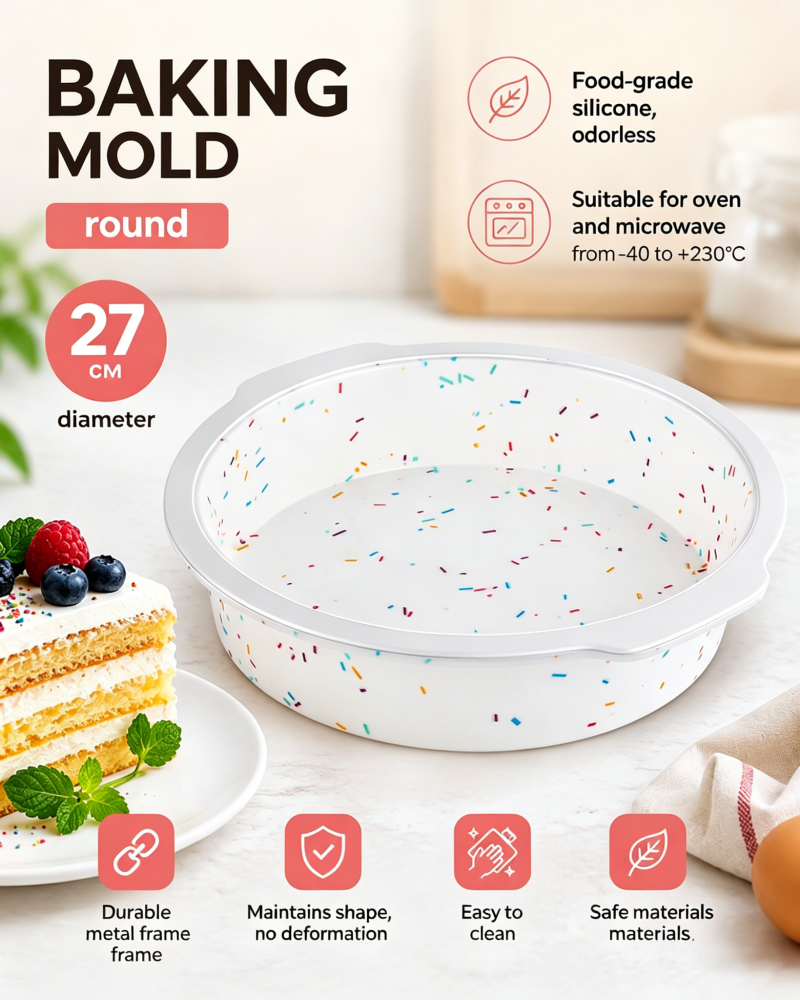
This product is a round silicone baking mold or cake pan with a shallow profile and two opposing loop handles. The geometry suggests use for circular cakes, sponge layers, pies, and other oven-baked desserts that do not require deep volume. The low sidewalls create a format that is closer to a cake ring or shallow pan than a loaf mold or bundt pan.
Visually, the finish appears smooth and matte in a light beige or peach tone. The rim, handles, and body look integrated, which is consistent with one-piece molded silicone bakeware. That construction can reduce loose parts and simplify cleaning around joints or corners.
Silicone Cake Mold vs. Metal Pan
When buyers compare a silicone cake mold with a metal pan, the decision usually comes down to use priorities. Metal pans are often chosen for stiffness and heat transfer characteristics. Silicone pans are often chosen for flexibility, easier release, and lighter handling. In shallow dessert work, silicone can be especially useful when the baker wants to turn out a finished layer with minimal edge damage.
That said, each format has trade-offs. A softer pan may need support from a tray during filling and transfer. A rigid metal pan may feel steadier in the oven but can require more preparation to prevent sticking. For many kitchens, the practical answer is not one replacing the other, but using both for different recipes and presentation goals.
Key Specifications and Capabilities
Shape and structure
The circular base and gently sloped sides suit even-layer baking and dessert plating. The shallow profile can help maintain a consistent cake thickness, which is useful for layered desserts and sponge bases.
Handles for handling
The integrated loop handles are a notable feature. They may improve control when lifting the pan, especially if the mold is carried with oven mitts or transferred from a baking tray to a cooling area. For buyers who regularly move hot bakeware, this is a practical detail rather than a cosmetic one.
Material behavior
Silicone bakeware is generally valued for flexibility and easy release. This product appears to follow that pattern, though exact nonstick performance, temperature limits, and food-contact approvals are not provided here and should be confirmed before purchase.
Materials and Finish Options
The visible material is silicone with a smooth matte surface. In bakeware sourcing, silicone products may be available in different colors, firmness levels, or reinforced structures, but those options are not confirmed for this item. Buyers should check whether the final application needs a softer, more flexible mold or a stiffer version that holds shape better during filling.
If appearance matters for display cooking or retail presentation, the light neutral color can work well in open kitchens and dessert serving settings. If the priority is maximum structure, buyers may want to compare this style with silicone products that include reinforcement, though that is not visible here.
Manufacturing Process and Build Considerations
Based on the shape and finish, this item likely belongs to the molded silicone bakeware category. In general, bakeware of this type is formed through silicone molding methods such as compression or injection molding. The one-piece body suggests fewer seams and a simpler structure than assembled pans with separate handles or inserts.
For buyers evaluating supply, the important point is not just the molding method but the consistency of the finished part: even wall thickness, stable rim geometry, and repeatable handle formation all affect daily use.
Application Scenarios
This silicone baking tool fits several common kitchen uses. It can serve as a silicone cake mold for sponge layers, an oven form for pies or tart-like desserts, and a presentation piece for oven-to-table serving. In pastry kitchens, the shallow round shape may also help with recipes that need a flat, uniform bake rather than a tall rise.
For home bakers, the handles add convenience when moving a filled pan. For foodservice teams, the same feature may reduce handling stress during batch baking or plating.
Quality Control and Buyer Decision Factors
Before selecting this type of bakeware, buyers should look at wall stability, handle integration, surface smoothness, and how well the mold keeps its shape when filled. These details matter more than a broad claim of “nonstick” or “premium” because they directly affect release, filling stability, and ease of transfer.
It is also wise to confirm the practical requirements for your kitchen: oven compatibility, cleaning method, freezer use if needed, and any food-contact documentation required by your market. Because those details are not supplied here, they should be checked with the supplier before ordering.
Customization Guidance
If you are sourcing silicone baking accessories for a brand, bakery, or private-label program, the most useful customization points are usually size, color, logo placement, packaging, and handle design. Buyers who need uniform product lines may prefer matching shapes across multiple molds, while commercial kitchens may ask for dimensions that fit their trays or display systems.
When comparing options, decide whether the priority is release, structure, appearance, or handling. A shallow pan like this tends to favor easy unmolding and convenient movement; a deeper or more rigid design may be better for heavier batters.
Request a Quote or Product Details
If you are comparing bakeware formats and want a practical round pan for cakes, desserts, or presentation, this style is worth reviewing closely. Share your target size, color preference, and usage scenario, and ask for confirmation of material specifications, heat rating, and food-safety documentation before placing an order.
Contact us with your requirements to evaluate whether this silicone baking tool is the right fit for your production, retail, or kitchen workflow.