Silicone Baby Bib Overview
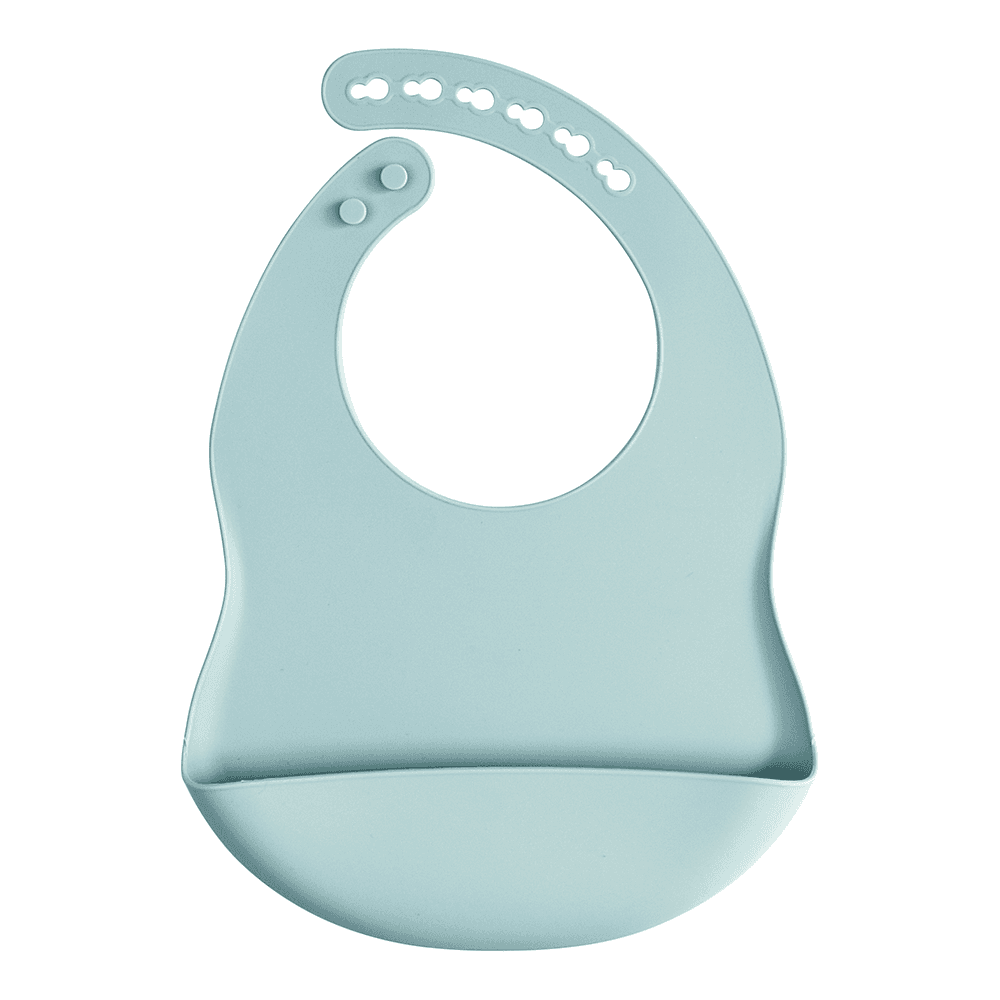
A silicone baby bib helps protect clothing from crumbs, drips, and the occasional enthusiastic spoon launch, while the foldable catch pocket gives stray food somewhere to land before it reaches the floor. For babies starting solids and toddlers who treat lunch like a performance art project, it can make cleanup noticeably less dramatic.
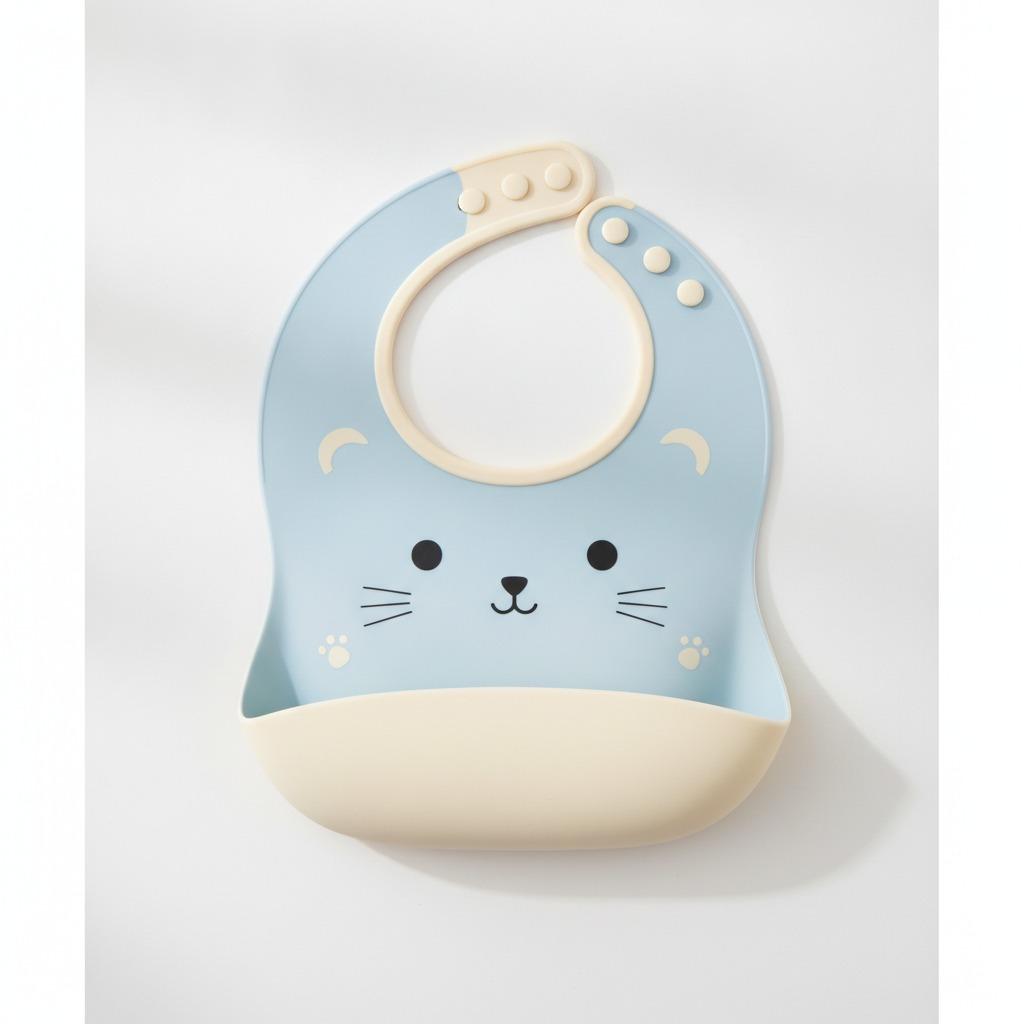
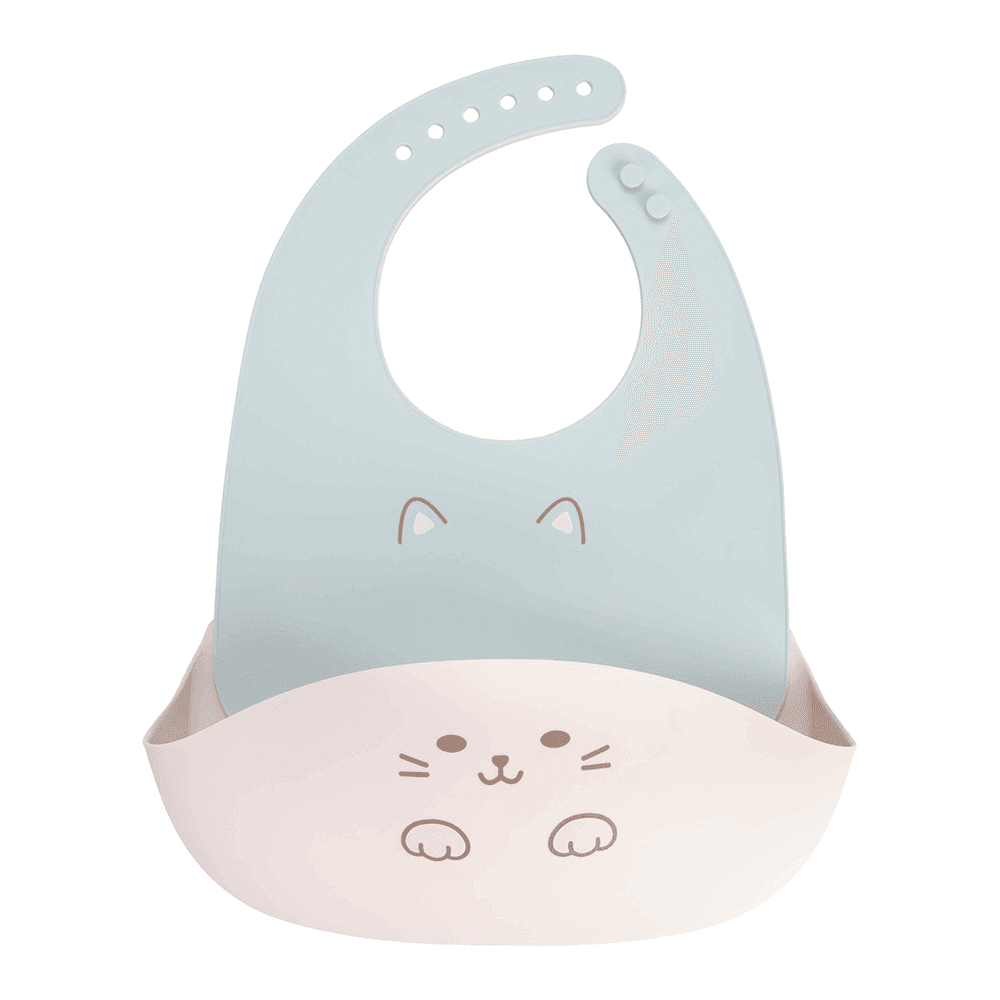
This bib has a one-piece molded shape with a rounded neck opening, a flexible body panel, and a raised pocket at the bottom. The neck area appears to use multiple snap positions, which is useful when a child is growing faster than your laundry pile can keep up. The bib shown also has a simple cartoon face graphic, which adds a bit of personality without trying too hard. Babies do not care about minimalism; they care about smearing puree with purpose.
Key Features and Practical Capabilities
Foldable catch pocket
The front pocket is designed to stay open enough to catch crumbs and small spills. For self-feeding stages, that matters. It can reduce the amount of food that ends up in a lap, on a high chair, or mysteriously in the dog’s interest zone.
Adjustable neck closure
The snap-button closure with several adjustment holes helps the bib fit different neck sizes more comfortably. This is especially useful for households, daycare settings, or sellers looking for a baby feeding bib that can cover a broader age range within the same product style.
Flexible wipe-clean construction
The bib is made from a soft, flexible material silicone. The smooth surface suggests easy wiping after feeding sessions involving oatmeal, fruit mash, or other charming messes.
Materials and Finish Options
The surface is matte or satin rather than glossy, which can help the product feel softer and more modern. The main body is light blue, with a pale pink pocket area. That two-tone style is useful for brands that want a friendly look without overloading the design with too many colors and turning dinner into a circus tent.
If you are sourcing this type of toddler silicone bib, material decisions usually affect softness, washability, odor retention, and how well the bib keeps its shape. Since exact composition is not confirmed here, buyers should verify the final material specification, surface finish, and color stability with the supplier before placing a bulk order.
Typical Application Scenarios
This style of baby feeding bib fits a range of everyday use cases:
Home feeding routines for infants and toddlers
Daycare and nursery meal times
Travel meals in the car seat or stroller stopover zone
Weaning stages when spoon skills are still under construction
Messier snacks like crackers, fruit pieces, and cereal
In short, it is for meals where the child eats, the bib catches, and the parent avoids another round with a stain remover.
Quality Control Considerations
For a product in this category, buyers usually look at closure strength, edge finish, pocket shape retention, print durability, surface cleanliness, and whether the bib folds and wipes easily after repeated use.
For private label or wholesale orders, it is sensible to request checks on color consistency, snap alignment, and the comfort of the neck opening. A good bib should feel practical, not like it is auditioning for a medieval collar.
Customization Guidance for Buyers
Customization can often include color matching, logo printing, graphic changes, packaging, and pocket or body styling adjustments. If you are developing a branded feeding bib line, think first about your target market: retail parents usually want cute and easy-clean, while distributors may focus on stackable packaging and broad usability.