Bakeware & Cake Tool for Consistent Loaf-Style Baking
A reliable Bakeware & Cake Tool solves a common baking problem: getting a clean rectangular shape without the loaf sticking, tearing, or breaking apart during release. For home bakers, small bakeries, and food service teams, that means less waste, more consistent presentation, and easier portioning for cakes, loaf breads, and pound cakes. This rectangular cake mold focuses on simple removal and a uniform cavity, which is especially useful when repeatable results matter more than decorative shaping.
Product Overview
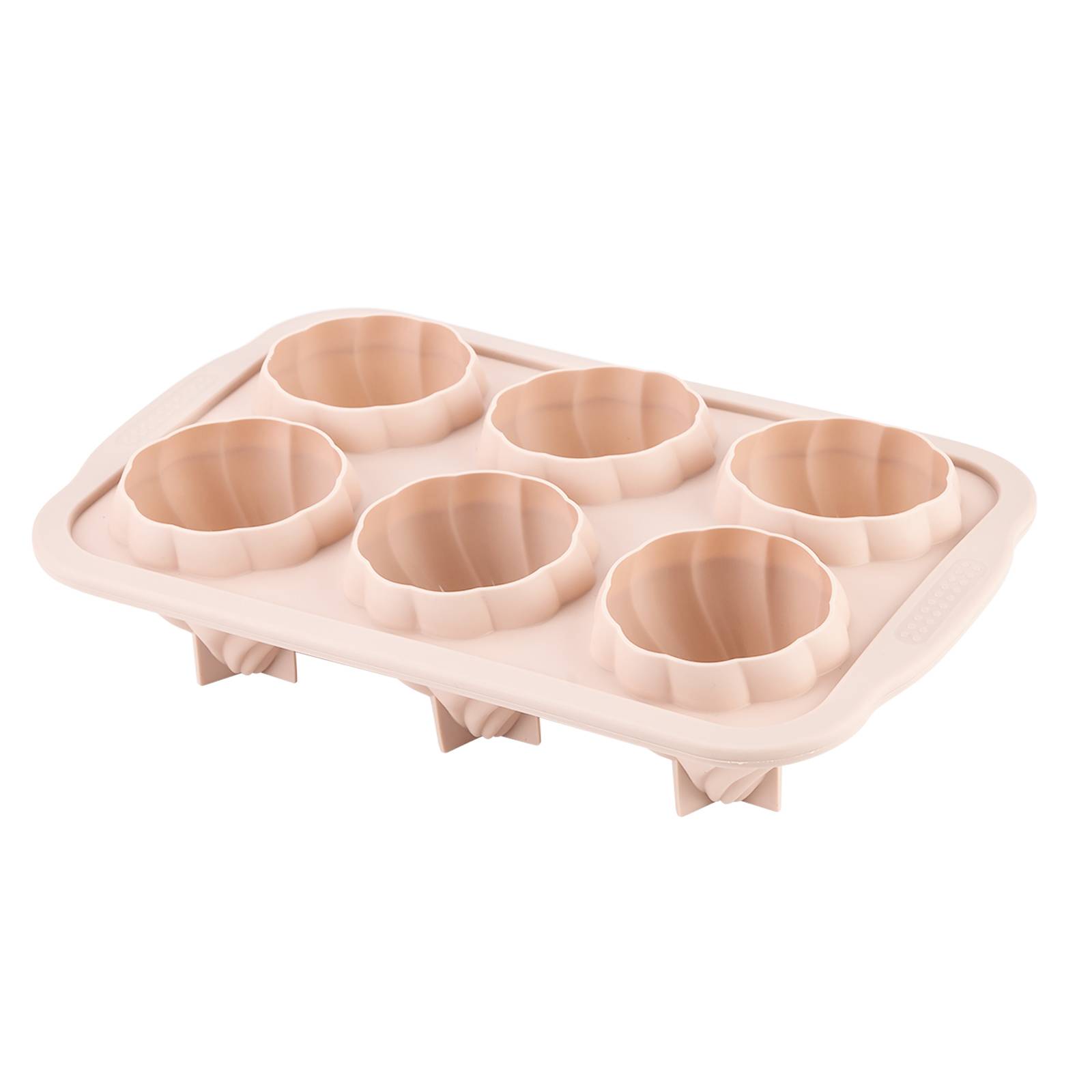
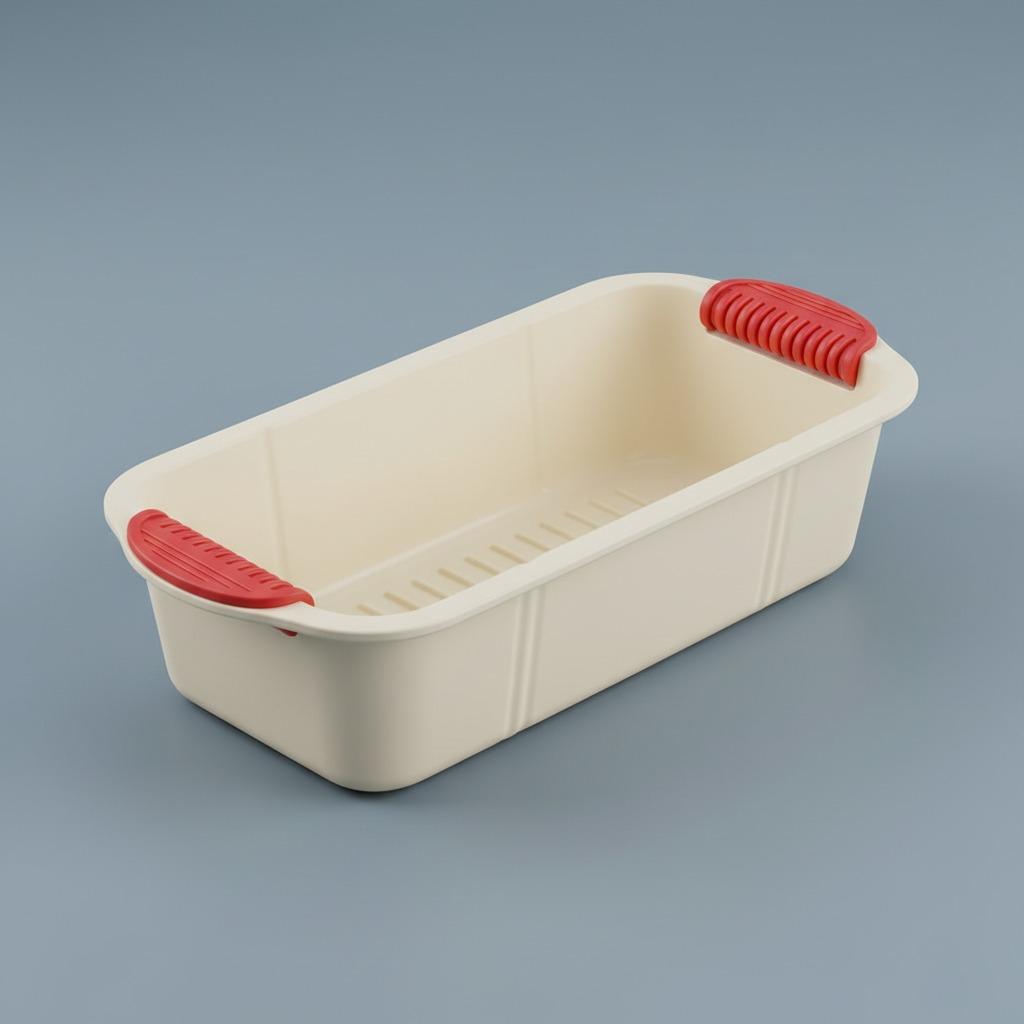
This product is a rectangular cake mold in a loaf-style format with an open-top, deep cavity design. The form is straightforward and practical: tapered side walls guide the baked item into a neat block, while the rounded corners help reduce sharp edges that can trap batter or make unmolding harder. The visible structure suggests an easy-release concept, and the integrated side tabs or handle-like ends make the mold easier to move when filled.
The ribbed base section is another noticeable feature. In current bakeware trends, structured bases like this are increasingly used to support airflow, improve stability, and help with release after baking. For buyers comparing modern baking pans, these design details often matter as much as material choice because they affect handling, portion appearance, and cleanup behavior.
Key Capabilities and Practical Specifications
Shape and Structure
The mold is rectangular with a deeper cavity than a standard shallow tray. That makes it suitable for recipes that need vertical rise and a defined loaf profile. The single-piece body shown in the image suggests a compact, simple format with no removable inserts or complicated assembly.
Handling Features
Side tabs at both ends provide a safer grip point when transferring the mold, especially when batter is wet or the pan is warm. The red spiral-like accents visible near the sides may serve as reinforcement or grip accents; however, their exact function cannot be confirmed from the image alone.
Release-Oriented Design
The smooth matte interior and softened corners are consistent with easy-release bakeware. For bakers producing delicate pound cakes or enriched loaf breads, that can reduce the chance of edge damage during demolding.
Materials and Finish Options
The visible light-colored body appears to be silicone or a silicone-coated baking mold, but the exact material composition is not confirmed. If it is silicone-based, the usual advantages would be flexibility, easier release, and a softer touch compared with rigid metal pans. The matte finish shown in the image also aligns with a practical kitchenware surface that is less likely to show fingerprints and more likely to keep a low-glare appearance in use.
Because the exact material is not provided, buyers should confirm finish options, food-contact suitability, and any temperature or care limitations before production purchasing. In today’s bakeware market, material transparency is becoming a stronger buying factor, especially for businesses that need consistent performance across batch runs.
Manufacturing Process and Product Form
The visible geometry indicates a molded consumer kitchenware product. If the material is silicone or a polymer blend, the part would typically be made through a forming process suited to flexible bakeware, though the exact method is not confirmed. The important takeaway is functional: the shape is designed as a one-piece baking cavity with integrated sides and base structure, not as a multi-part assembly.
Application Scenarios
This type of bakeware is well suited to:
Home baking for loaf cakes, sponge-style batters, and sandwich bread shapes
Bakery prep where repeated rectangular portions are needed
Food service operations that want consistent slice geometry
Recipe development for products that benefit from a stable, narrow footprint
Because rectangular loaf formats are widely used in trend-driven baking—especially for simple artisan-style breads and visually clean dessert loaves—this mold fits current demand for practical, portion-friendly bakeware.
Quality Control Considerations
For buyers sourcing a Bakeware & Cake Tool, quality checks should focus on shape consistency, wall symmetry, base flatness, surface smoothness, and the firmness of any handle-like features. If the mold is intended for repeated bakery use, buyers should also ask for confirmation of food-contact compliance, thermal performance, and whether the finish maintains release properties over time. Since exact certifications are not supplied here, these points should be verified directly with the supplier.
Customization Guidance for Buyers
Depending on your channel and application, you may want customization in size, wall thickness, color, logo marking, or base texture. The visible ribbed base may already support differentiation, but branded bakeware programs often benefit from a custom cavity profile or exterior color matching. For private label projects, confirm whether the manufacturer can adjust the side tabs, rim style, or surface finish without affecting release behavior.
Buyer Decision Factors
When comparing rectangular molds like this one, focus on four things: release performance, shape consistency, handling convenience, and cleaning workflow. A good loaf-style pan should hold batter neatly, unmold without tearing, and stay stable while carrying. If your production mix includes both sweet and savory recipes, material confirmation becomes even more important because food-contact and odor retention concerns can affect long-term use.
In the current bakeware market, buyers are increasingly favoring practical forms that reduce labor rather than highly decorative pieces. This mold fits that trend: simple geometry, visible grip features, and a shape built for repeatable results.
Request Sourcing Support
If you are evaluating this rectangular mold for retail, bakery use, or kitchenware distribution, request material confirmation, size details, and sample testing before placing a bulk order. A well-matched Bakeware & Cake Tool can improve baking consistency and reduce product loss, especially in workflows that depend on clean release and uniform loaf shape.