14-Cavity Ice Cube Grid for Consistent Everyday Ice Production
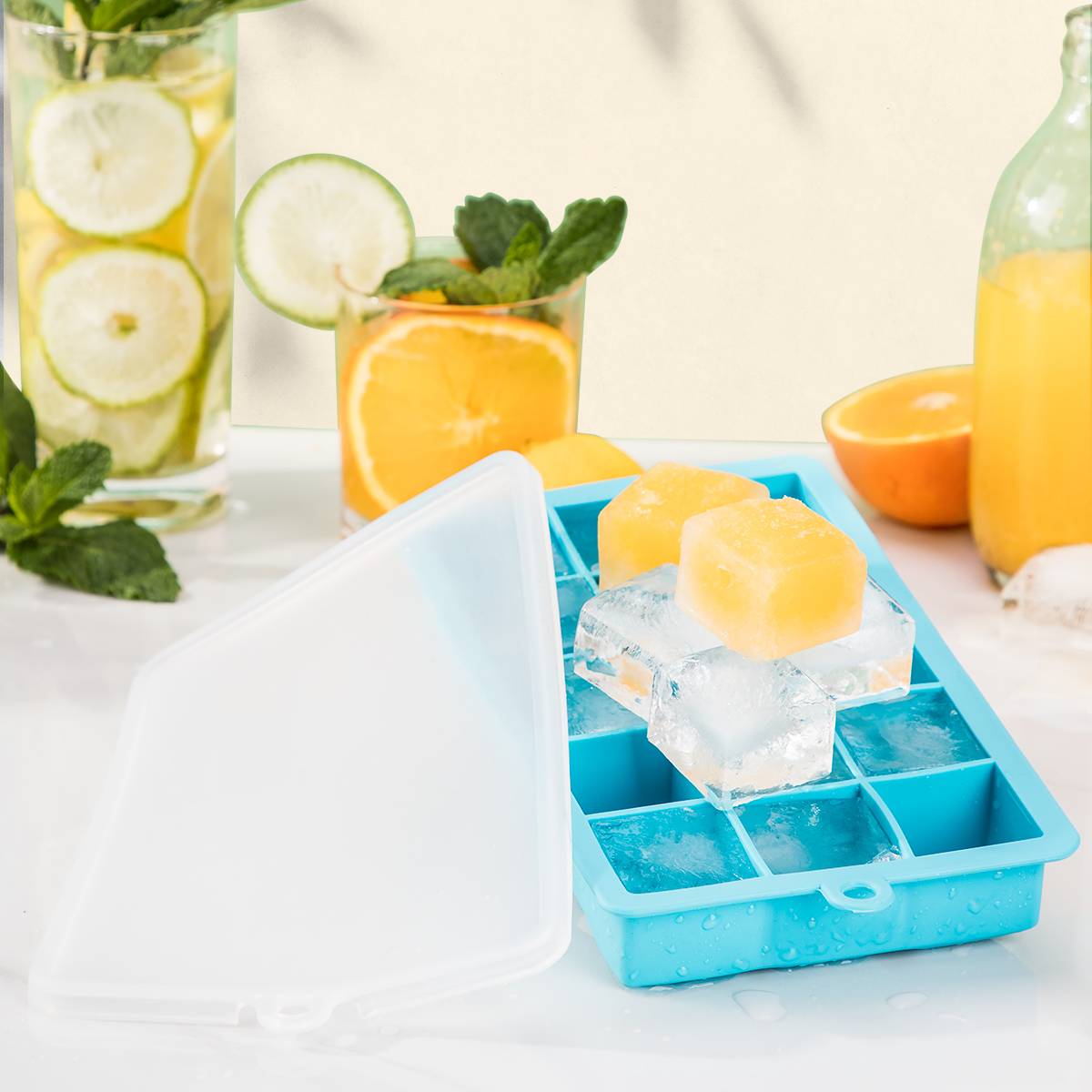
An ice cube grid solves a simple but constant problem: how to make uniform ice pieces that freeze cleanly, release without a struggle, and fit neatly into everyday drinks. This ice cube grid is a rectangular 14-cavity mold designed for repeatable freezing in home kitchens, cafés, bars, and beverage prep areas. Compared with loose or irregular ice, a structured tray helps users portion water or other liquids into consistent shapes, reduce waste, and speed up service when ice needs to be ready in advance.
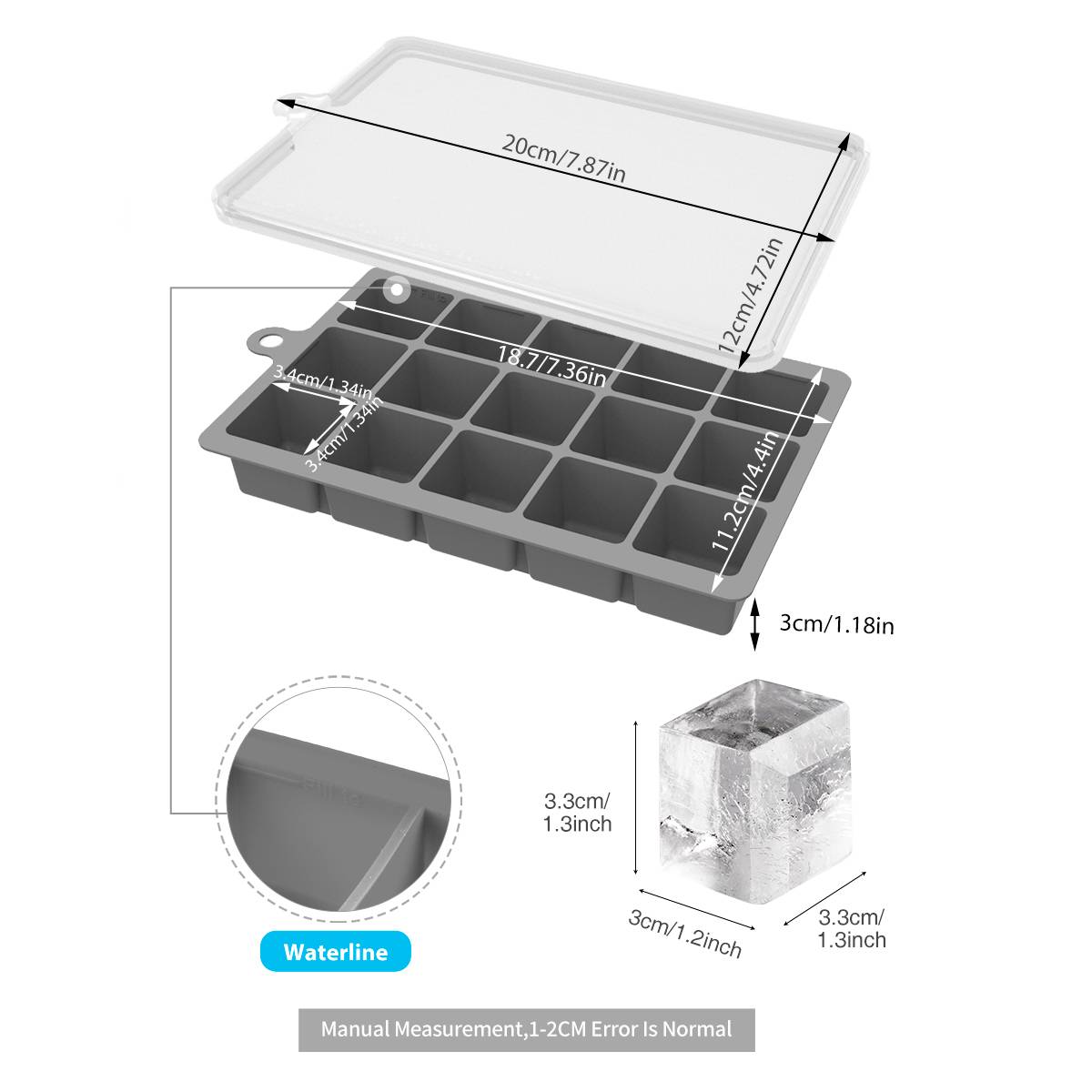
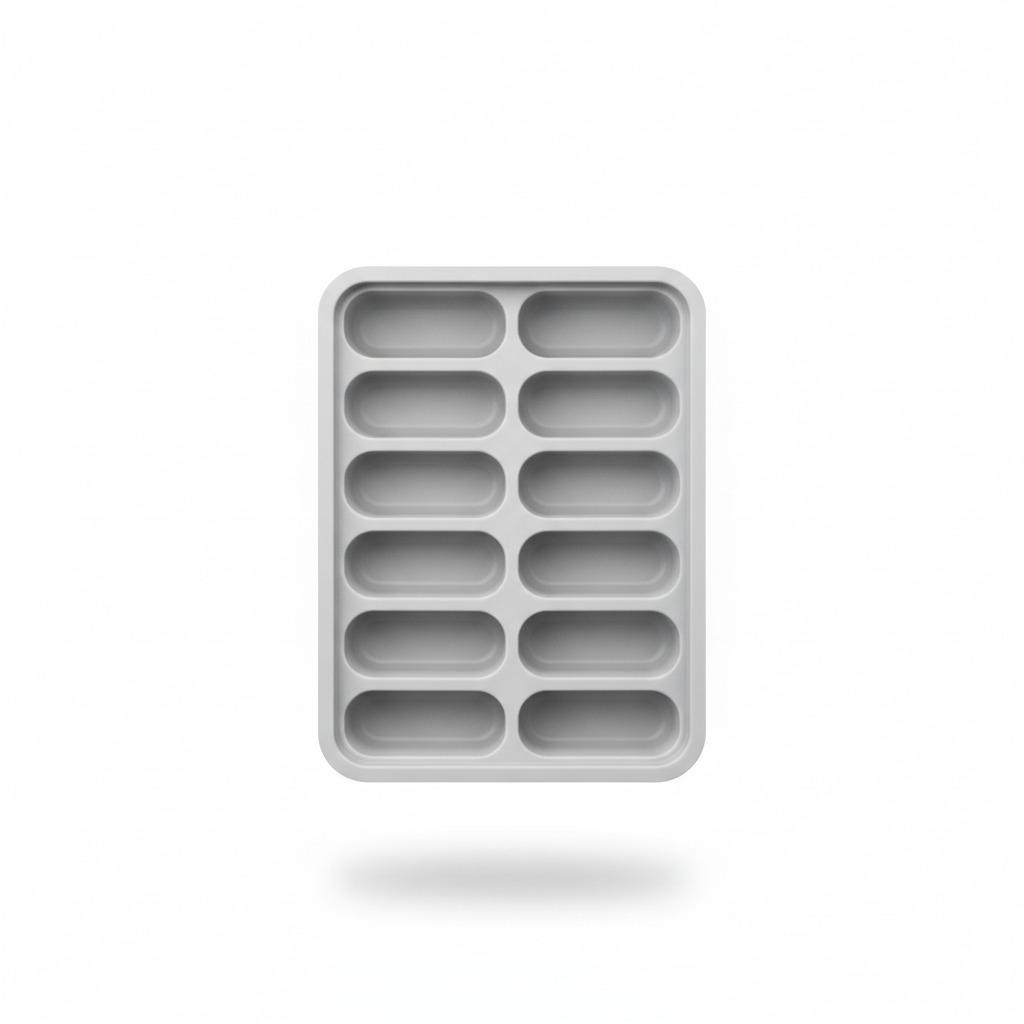
The visible design shows a compact tray with 14 elongated rounded-rectangle cavities arranged in 2 columns by 7 rows. That layout supports efficient use of freezer space while still giving each cavity enough separation for cleaner release. For buyers looking for a practical ice cube tray that is easy to fill and manage, this format offers a straightforward answer.
Product Overview
This product functions as a reusable freezing mold for individual ice pieces. The cavity shape appears more elongated than a standard block-style cube, which can be useful for drinks that need slower dilution or a different presentation. The tray has a slightly raised outer rim and a small slot or handle opening near one end, both of which suggest a user-friendly design for handling, filling, and demolding.
Key Specifications and Functional Features
Capacity and cavity layout
The most visible specification is the 14-cavity configuration. Buyers who need more than a small novelty mold but do not want a bulky container will appreciate this middle-ground capacity. The two-column layout also makes the tray easier to organize in compact freezer drawers.
Cavity shape
The cavities appear rounded at the corners and elongated in form, which can support easier release compared with sharp-cornered molds. That geometry is useful for square ice cubes-style presentation when a cleaner, more regular look is desired, even though the cavities themselves are not perfectly square.
Handling and release
The visible slot or handle opening may improve grip during movement from sink to freezer. In addition, the flexible-looking body suggests this may function as an easy release ice tray, especially if the material allows light twisting or bending after freezing.
Materials and Finish Options
That finish is practical in a commercial or domestic setting because it reduces glare and gives the product a clean, understated appearance. And this tray is 100% made from silicone, it would align with the expectations of a food grade silicone tray;
Manufacturing Process
If the product is plastic, injection molding is the likely production route. If it is an elastomeric material, silicone molding or compression molding would be a more plausible process. Either method is suitable for producing a repeatable ice cube mold with controlled cavity geometry and consistent wall thickness.
For B2B buyers, the key point is not the process itself but the result: stable cavity shape, uniform production, and a design that can be repeated across orders. That consistency matters when trays are used alongside beverage stations, cooler prep, or other high-frequency tasks.
Application Scenarios
This kitchen ice tray is suitable for household use, but its structure also fits light commercial service. Bars and restaurants can use it for water ice, cocktail prep, chilled presentation, or back-of-house beverage staging. It may also be useful for freezing small food portions or shaped solids when the cavity size supports that purpose.
Because the tray is compact and reusable, it fits well in operations that need reliable daily ice output without investing in large automated equipment. For many buyers, that balance of simplicity and repeatability is exactly what makes a manual mold worth stocking.
Quality Control and Buyer Considerations
When evaluating this product, buyers should confirm the exact material, food-contact compliance, temperature tolerance, cavity volume, and whether the mold is dishwasher-safe or lid-compatible. Those details are not visible in the image and should be verified before purchase.
Other important decision factors include freezer fit, ease of cleaning, release behavior, and whether the cavity geometry matches the intended drinkware or service style. A tray that works well in home use may not always suit a commercial workflow, so matching capacity and handling features to the use case is important.
Customization Guidance
If you are sourcing this tray for your brand or channel, customization can focus on cavity shape, tray color, logo placement, material formulation, and packaging. Buyers who want a more premium beverage accessory may prefer a softer silicone feel, while those prioritizing structural firmness may choose a rigid version.
For distributors and OEM customers, it is useful to request samples and confirm release performance, stacking behavior, and freezer compatibility before placing larger orders. A well-specified ice cube tray should feel simple to use, not delicate or confusing.
Why This Ice Cube Grid Fits Practical Procurement
What makes this product compelling is not novelty but utility. It organizes water into 14 repeatable portions, reduces inconsistency, and supports routine freezing tasks with minimal training. Buyers looking for a dependable, compact, and reusable freezing solution will find that this ice cube grid addresses a real operational need.
Contact us to discuss material options, cavity customization, and packaging requirements for your market. If you need a practical mold for beverage service or freezer prep, this design is a strong starting point.