Chiffon Cake Mold Overview: Flexible Silicone vs. Traditional Metal Bakeware
A chiffon cake mold is designed to solve a practical baking problem: making tall, airy cakes easier to release without damaging the structure. Compared with a rigid metal pan, a silicone mold offers flexibility, freezer compatibility, and a naturally nonstick-looking surface that can help reduce breakage during unmolding. For bakers who prepare chiffon cakes, sponge cakes, or chilled desserts, the main question is often not just how the pan looks, but how it behaves in the oven and during release. This heat resistant chiffon cake mold is built for that workflow, combining oven use with freezer use in one form.
Product Positioning: Silicone Mold or Metal Pan?
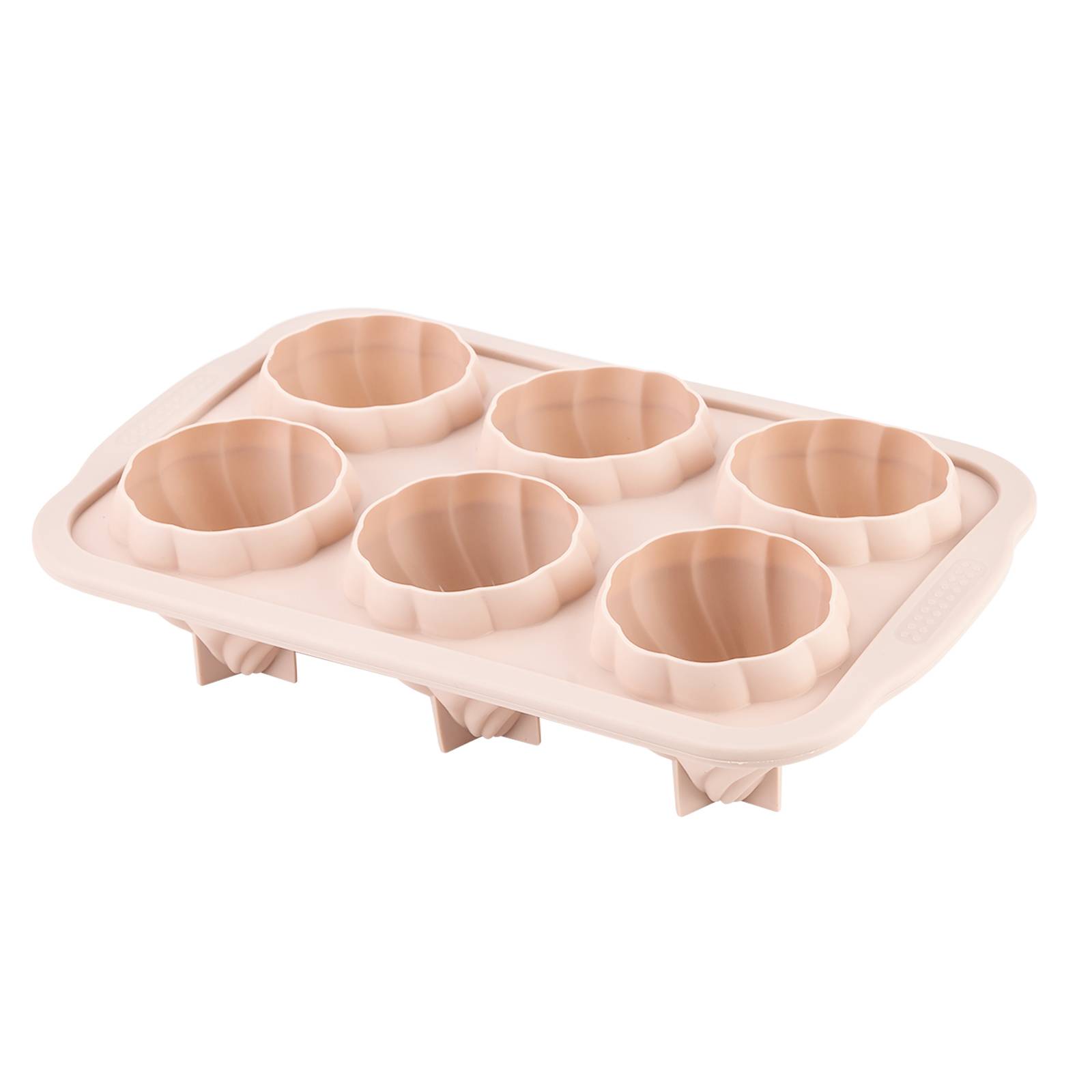
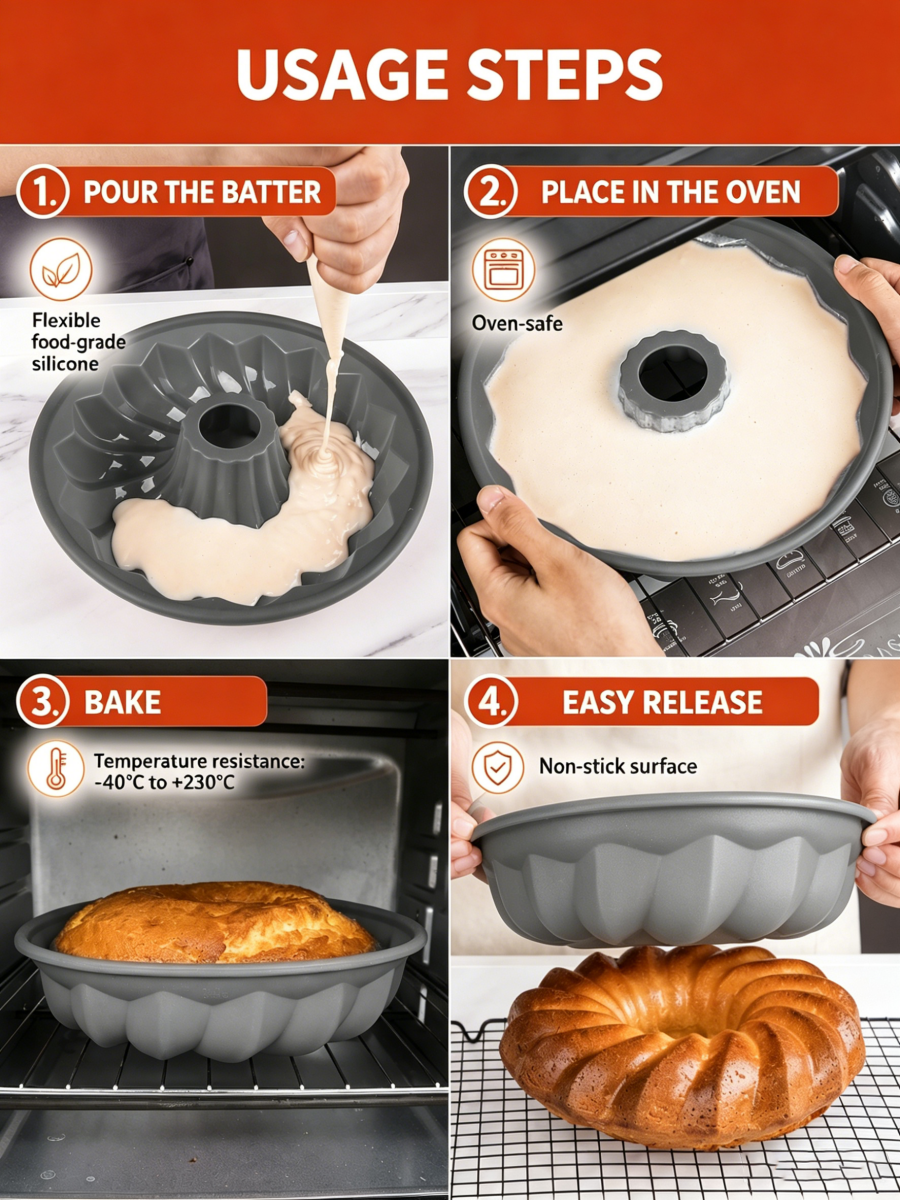
When comparing bakeware options, the difference usually comes down to handling, release, and temperature use. A conventional metal cake pan is valued for stiffness and structural support, while a silicone cake mold is appreciated for flexibility and easier demolding. This chiffon cake mold sits in the second category. The visible structure shows a deep, round cavity with a scalloped side profile and a wide rim, which makes it suitable for batter-based recipes and decorative cake shapes.
For buyers, the contrast is straightforward: metal bakeware may feel more familiar for heavy-duty bakery lines, while a nonstick chiffon mold can be more convenient for home kitchens, small-batch dessert production, and chilled food shaping. If a product needs to move from freezer to oven or handle repeated molding and release, silicone becomes a practical choice.
Key Specifications and Visible Capabilities
This oven-safe cake mold is made from flexible gray food-grade silicone. The surface appears matte and nonstick-like, and no metal reinforcement is visible in the provided information. The structure is a single-cavity, open-top design with a deep bowl shape and fluted outer wall. Based on the supplied notes, the visible temperature range is -40°C to +230°C, which supports both baking and freezing applications.
As provided, the product is suitable for oven and freezer use. That makes it useful not only for cake batter, but also for dessert preparation that requires chilling, setting, or unmolding after freezing. Exact dimensions, wall thickness, and capacity are not supplied, so buyers should confirm those points before placing volume orders.
Materials and Finish Options
The main material is food-grade silicone, which is commonly selected for bakeware because it is flexible, light, and easy to clean. The visible finish is gray with a smooth matte appearance. In bakeware sourcing, finish matters because it affects both handling and presentation: a softer surface is easier to release from, while a firmer surface can feel more stable on the worktable. Since this item is shown without metal support, buyers should consider whether they prefer maximum flexibility or extra rigidity in the mold body.
Manufacturing Process and Product Category
Based on the product data, this mold belongs to molded silicone kitchenware. The exact process is not specified, but products in this category are typically formed through silicone molding methods. For sourcing teams, the key point is consistency: shape accuracy, surface quality, and stable curing are what determine whether the mold performs well in repeated bakery use. Guangzhou Artrue Home Co., Ltd. operates a large manufacturing base and supplies silicone kitchenware and related household products across multiple markets, which is relevant for buyers looking for a scalable sourcing partner.
Application Scenarios: Home Baking vs. Bakery Use
For home bakers, the benefit of this chiffon cake mold is convenience. It supports everyday cake making, dessert preparation, and freezer-safe shaping without requiring a heavy pan. In small commercial kitchens, the comparison shifts toward workflow speed and product consistency. A silicone mold can be helpful for batch preparation of chilled desserts or cakes that need clean release after cooling. For gift packaging, promotional kitchen sets, or retail bakeware lines, the scalloped geometry also adds shelf appeal.
Compared with flat pans, a deep fluted mold is better suited to tall cake formats and decorative presentation. Compared with metal, it offers easier flex-and-release handling. The right choice depends on whether the buyer prioritizes release convenience, structural support, or high-volume oven loading.
Quality Control and Buyer Decision Factors
When evaluating a silicone cake mold, buyers usually compare four points: temperature resistance, food-grade material safety, shape stability, and release performance. The notes mention LFGB certification, though the exact scope is not detailed here. Buyers should verify certification documents, inspect mold uniformity, and ask for sample testing if the product will be used in food contact applications.
If your use case involves both baking and freezing, a heat resistant chiffon cake mold offers more flexibility than a single-purpose pan. If your operation needs rigid support for very liquid batters, a metal-reinforced design may be worth comparing. If you mainly want easy unmolding and compact storage, this silicone format is the stronger option.