Why are silicone kitchenware better than metal kitchenware
Introduction to Silicone Materials
Silicone is a highly active adsorbent material and belongs to the amorphous state. It not only has the excellent characteristics of plastic and rubber, but also is more environmentally friendly than plastic. It is biodegradable, non-toxic, odorless, heat-resistant, non flammable, and has a long service life. The superior performance of silicone, coupled with the fact that silicone is a non petroleum product and does not rely on increasingly scarce petroleum resources, has made silicone products a substitute for similar plastic products, which is the trend.
Silicone kitchenware has moved from a niche alternative to a routine line item in many product plans, and that shift makes sense if you look at what buyers are trying to solve: heat, cleanliness, shelf appeal, and consumer frustration with scratched pans and warped tools. The topic is also getting renewed attention as more brands talk about safer materials, lower-maintenance cooking tools, and packaging that feels practical rather than gimmicky.
What buyers usually want from silicone kitchenware
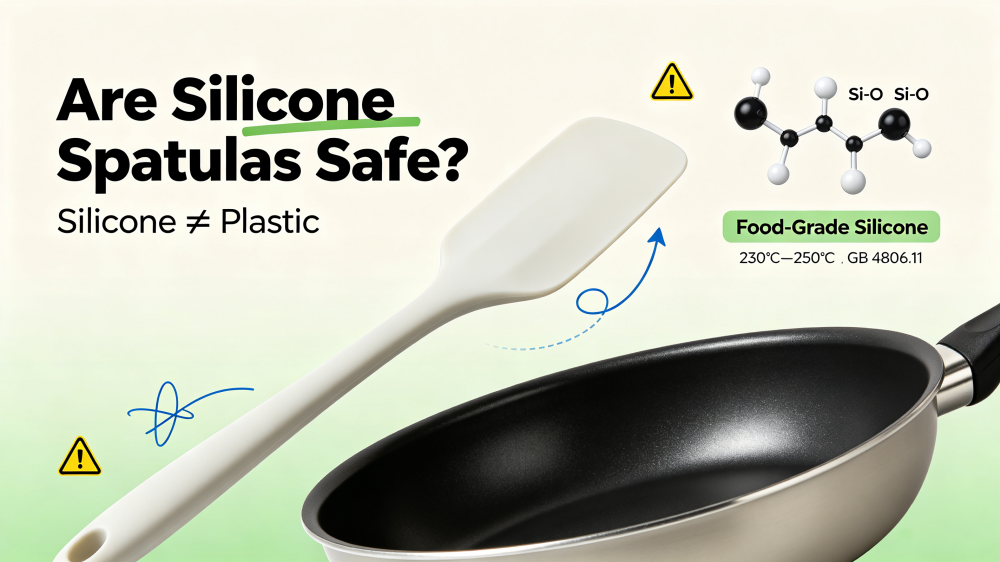
Some people believe that silicone is just plastic, but this is clearly a mistaken judgment of silicone. Silicone is not plastic, and there is a big difference between silicone and plastic. The safety and environmental friendliness of silicone cannot be compared to plastics. With the continuous advancement of technology, silicone materials have become the mainstream of green and environmentally friendly materials. From industry to daily life, silicone has replaced many other materials, because this is driven by the current trend of the times. With people's increasing emphasis on the environmental safety of items around them, the emergence of silicone products undoubtedly caters to people's imagined green and environmentally friendly low-carbon lifestyle. Silicone and plastic will inevitably become more popular in the future.
Food grade silicone: what matters more than the label
A common sourcing mistake is assuming that any silicone item is automatically suitable for food contact. In reality, food grade silicone refers to a material intended for food-contact use, but the supplier should still be able to explain the base compound, colorants, and manufacturing controls. If you are evaluating a silicone kitchenware factory, ask how they manage raw material consistency, mold release, and post-processing. Those details affect odor, surface feel, and long-term durability.
When making a purchase, it is necessary to find a reputable manufacturer and obtain a product testing report.
Choose products that are suitable for their intended use. And pay attention to selecting products with smooth and even surfaces.
When making a purchase, you can smell it with your nose and avoid choosing products with unpleasant odors.
Wipe the surface of the product with a white tissue, and do not choose products that have faded after wiping.
Quick buyer checklist before you place an order
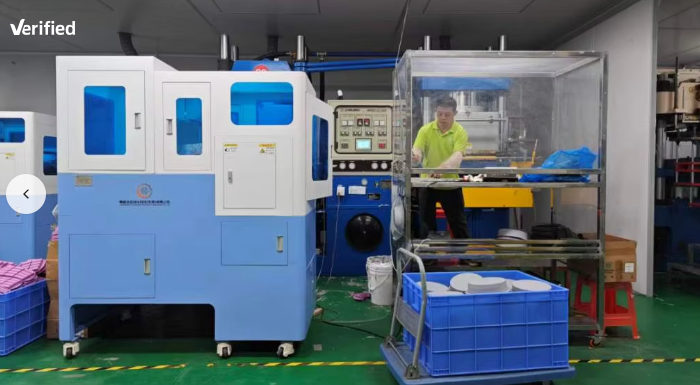
Let's look at the supplier’s process. A reliable silicone kitchenware factory should be able to discuss molding methods, trimming, curing, and packaging without drifting into vague language. If the supplier cannot explain where the material comes from or how they control consistency, that is a warning sign.
Next, review the product details that affect user experience: stiffness, seam quality, odor, and edge finish. In this category, a millimeter of excess material or a rough trim line can change how the item feels in the hand. And consumers notice.
Finally, pressure-test the product claims. If the item is described as heat resistant kitchenware, ask for the exact use context rather than relying on a broad phrase. If it is marketed as non stick kitchenware, clarify whether the claim refers to food release, easy cleaning, or compatibility with coated pans. Careful wording now prevents awkward customer-service calls later.
Common mistakes brands still make
The first mistake is overbuying on novelty. Unusual shapes sell in photos, but standard forms usually perform better at scale.
The second is underestimating packaging and storage. Silicone can arrive in excellent shape and still be damaged by poor packing, dust, or compression during transit.
The third is assuming one sample tells the whole story. Silicone tooling and curing can produce variations that only show up across a production run. A single hand-approved sample is useful, but it should not be the only gate.
Practical next step for sourcing teams
If you are planning a launch or line refresh, build your shortlist around function first, then decide whether the product should emphasize flexibility, high heat performance, or easy-release behavior. That will help you narrow which silicone kitchenware items fit your market and which supplier questions matter most.
A solid next move is to request material specifications, process notes, and production samples that match the intended use as closely as possible. For a category that looks simple on the shelf, the details are where margins are won or lost.
FAQ
Is silicone kitchenware always food safe?
No. It should be made from food grade silicone for food-contact use, and buyers should still verify how the product is made and finished.
Does silicone replace metal tools?
Not entirely. Silicone is better for protecting cookware and handling heat in many everyday tasks, while metal still has advantages for rigidity and leverage.
What should buyers watch most closely?
Material quality, curing, odor, finish, and whether the product claim matches the actual use case. That is usually where the difference between a good listing and a return rate begins.